

Registering a car in California is more than just a bureaucratic task; it’s a crucial step towards legally operating your vehicle on state roads. However, navigating the process can be daunting for new drivers or out-of-state residents. This comprehensive guide aims to demystify the car registration procedure, ensuring you have a smooth experience. We’ll walk you through each step, from gathering essential documents to the crucial DMV VIN verification, empowering you with the knowledge to register your vehicle efficiently and accurately.
- Gather Necessary Documents for Car Registration
- Prepare Your Vehicle for DMV Inspection (including VIN verification)
- Navigate Online or In-Person Registration Process at the DMV
- Pay California Car Registration Fees and Taxes
- Maintain Your Registered Vehicle's Compliance and Records
Gather Necessary Documents for Car Registration

Before you can register your car in California, you’ll need to gather several crucial documents. This process is designed to ensure vehicle safety and compliance with state regulations. One of the essential steps involves verifying the Vehicle Identification Number (VIN), which provides critical information about your car’s history and specifications. The California Department of Motor Vehicles (DMV) recommends this verification be done through a mobile VIN verifier, ensuring accuracy and convenience.
A mobile VIN verification service allows you to inspect your vehicle’s VIN at any time and location. This is particularly useful if you’ve purchased a used car, as it helps establish its legitimacy and avoid potential issues with registration. It’s recommended to conduct this check 1-3 times during the registration process for added peace of mind. For instance, comparing the reported VIN from the title transfer with the one on your vehicle can prevent identity theft and ensure no discrepancies exist.
Along with the VIN inspection, you’ll need documents such as proof of ownership (like a title or bill of sale), valid identification (e.g., driver’s license), and possibly insurance papers. Having these in order before visiting the DMV or using their online services streamlines the registration process significantly. Remember to keep records of all your transactions and verifications, as they may be required for future reference or updates.
Prepare Your Vehicle for DMV Inspection (including VIN verification)

Before you can register your car in California, your vehicle must pass a thorough inspection, ensuring it meets safety and environmental standards. A crucial part of this process is DMV vin verification, which involves checking the Vehicle Identification Number (VIN) to ensure its accuracy and authenticity. This step is essential to prevent fraud and verify that your car is safe for California’s roads.
During vin inspection, a qualified examiner will physically inspect various components of your vehicle, including lights, brakes, tires, exhaust systems, and safety features. In addition to this on-site verification, many California Department of Motor Vehicles (DMV) locations now accept mobile vin verifier services. These portable devices use GPS technology and digital cameras to capture and transmit VIN data for remote verification, providing a convenient and efficient way to complete the vin inspection process.
It’s important to remember that the DMV may request vin inspection 1-3 times during registration or renewal, depending on the vehicle’s age and condition. If any discrepancies are found during these checks, you’ll be notified, and you may need to address them before completing the registration. To streamline the process, ensure all documents are in order, and consider using a mobile vin verifier for a quick and accurate vin verification. This proactive approach can save time and avoid potential delays in registering your car.
Navigate Online or In-Person Registration Process at the DMV
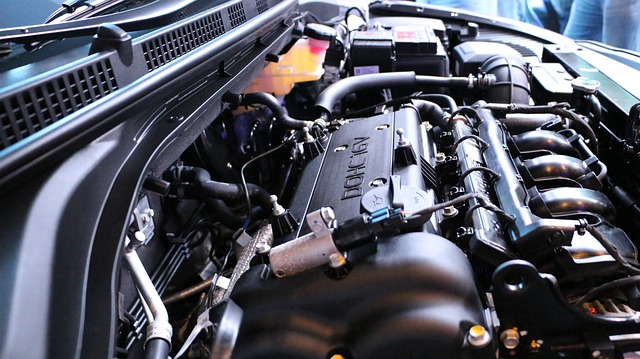
Registering a car in California involves a crucial step: successful DMV VIN verification. This process can be navigated both online or in person at your local Department of Motor Vehicles (DMV) office. Online registration offers convenience and speed, allowing you to submit documents digitally and schedule appointments ahead of time. However, many drivers still prefer the personal touch of an in-person visit, especially for the initial registration or when updating important information.
For online registration, the DMV provides a user-friendly platform where you can input your vehicle’s details, including its unique Vehicle Identification Number (VIN). This number is essential as it allows the system to pull up critical data about your car, such as its make, model, year, and any previous owners. It’s vital to ensure accuracy here, as incorrect information may lead to delays or issues during subsequent inspections. Once submitted, the DMV conducts a VIN inspection to verify the vehicle’s authenticity and history, checking for any outstanding recalls or reported damages. This process is seamless and efficient, with many applicants praising its simplicity and timeliness.
In-person registration requires you to visit a DMV office with your car and essential documents. Here, a representative will perform a physical VIN inspection, often using mobile vin verification tools to cross-check the vehicle’s details against their systems. This hands-on approach can be beneficial for complex cases or when addressing any discrepancies during the online submission process. It ensures that every aspect of your car’s history is accurately captured and verified by an expert, minimizing potential issues post-registration. Whether you choose online or in-person, proper DMV VIN verification is a critical step to ensure your vehicle’s registration goes smoothly.
Pay California Car Registration Fees and Taxes

Registering a car in California involves several crucial steps, one of which is paying the necessary fees and taxes. The California Department of Motor Vehicles (DMV) requires owners to cover registration costs, which include a fee for vehicle registration, emissions testing, and various taxes such as sales tax and weight/size fees. These charges are calculated based on factors like the car’s make, model, age, and fuel type, with electric vehicles often having lower fees due to reduced emissions.
One significant aspect of this process is the DMV VIN verification, where the unique Vehicle Identification Number (VIN) is cross-checked against the state’s records. This step ensures the vehicle’s authenticity and history, playing a vital role in preventing fraud and ensuring compliance. For added convenience, many counties in California offer mobile VIN verification services, allowing owners to complete this critical part of registration from the comfort of their homes or offices.
Additionally, owners should be aware that fees may vary depending on where they register their vehicle. Some cities and counties may charge extra for services like vehicle inspection, especially if it’s a first-time registration or a transfer. To stay informed, it’s advisable to check with your local DMV branch. For instance, in Los Angeles County, a new car registration might incur additional fees due to the region’s unique requirements, whereas mobile vin inspection could be a more cost-effective option for residents choosing a less conventional registration process.
Remember, accurate and timely payment of these fees is essential to avoid penalties. California’s DMV provides clear guidelines on its website, offering step-by-step instructions for online payments, in-person transactions, or by mail. Ensuring compliance with these financial obligations is the first step towards becoming a legal car owner in the Golden State.
Maintain Your Registered Vehicle's Compliance and Records

Maintaining compliance with California’s vehicle registration requirements is an ongoing process that demands vigilance from car owners. Once your vehicle is registered through the DMV (Department of Motor Vehicles), it’s crucial to keep records up-to-date and ensure continuous adherence to state regulations, especially concerning unique identifier numbers like the Vehicle Identification Number (VIN). This involves periodic checks for any discrepancies or changes in ownership, which can be easily overlooked but have significant implications.
One effective strategy is to utilize mobile VIN inspection services that offer convenience and accuracy. These services provide a simple solution by allowing you to verify your vehicle’s history and current status through a mobile app, ensuring that all records are accurate and accessible. For instance, the DMV offers a vin verification service where you can confirm the registration status of a vehicle by providing its VIN. Regularly conducting such checks is advisable, as it helps identify potential issues early on.
Additionally, keeping detailed records of maintenance, repairs, and modifications is essential. This includes documenting any work done to ensure that future inspections are hassle-free. If you’ve undergone a significant modification or repair, such as engine replacements or extensive body work, it’s particularly important to have these details readily available. In California, maintaining accurate records for your registered vehicle not only facilitates smooth DMV interactions but also plays a vital role in ensuring road safety and legal compliance.
Registering a car in California involves a straightforward process, but it’s crucial to be prepared with the right documents and ensure your vehicle meets all requirements. Key takeaways include gathering essential paperwork, such as proof of ownership and insurance, for both online or in-person registration at the DMV. Vehicle inspection is a critical step, especially dmv vin verification, to confirm authenticity and identify any necessary repairs. Understanding the fee structure and taxes is essential, as are ongoing maintenance tasks to keep your vehicle registered and compliant. By following these steps and staying organized, California residents can efficiently navigate the car registration process, ensuring their vehicles remain legal and up-to-date.