

Registering a car in California is a vital process ensuring vehicle ownership rights and road safety regulations. However, navigating the procedures can be daunting, especially with evolving rules and complex paperwork. This comprehensive guide aims to demystify the process, empowering folks to smoothly navigate car registration. We’ll delve into every step, from gathering essential documents to the crucial DMV VIN verification, ensuring a stress-free experience. By following these expert tips, you’ll be well-prepared to register your vehicle efficiently and accurately in the Golden State.
- Gather Necessary Documents for Car Registration
- Visit California DMV: Steps to Follow
- Prepare for DMV VIN Verification Process
- Pay Vehicle Registration Fees: A Detailed Guide
- Complete Your Car's Registration Online or In-Person
Gather Necessary Documents for Car Registration

Registering a car in California involves several steps, and one of the critical initial stages is gathering all the necessary documents for a smooth process. This stage demands meticulous attention to detail, especially when it comes to proof of ownership and vehicle identity verification. The California Department of Motor Vehicles (DMV) requires specific documentation to ensure the legitimacy of each car registration, making it crucial for owners to be prepared.
Central to this process is the Vehicle Identification Number (VIN) verification, a step often facilitated by mobile VIN verifiers or inspectors. These services allow for convenient and accurate VIN checks, ensuring that the vehicle’s history is free from discrepancies or undisclosed issues. For instance, some mobile apps offer real-time data access, providing owners with peace of mind. This modern approach to VIN inspection has become increasingly popular due to its efficiency and accessibility.
When preparing your documents, ensure you have the following: a valid driver’s license, proof of vehicle insurance, and the vehicle’s title (if applicable). Additionally, the DMV may request a completed Vehicle Registration Application form, which can be obtained online or from any local DMV office. It is essential to double-check that all information on these documents aligns with your car’s specifications, as discrepancies may cause delays. For instance, an incorrect VIN on any document could lead to additional verification requests, potentially postponing the registration process.
A common pitfall many encounter is failing to bring along required documentation on the day of registration. To avoid this, create a checklist well in advance, ensuring you have all necessary papers, including any mobile VIN inspection reports or verifications. This proactive approach will save time and effort, allowing you to navigate the DMV process efficiently.
Visit California DMV: Steps to Follow

To register your car in California, you’ll need to visit a California Department of Motor Vehicles (DMV) field office. The process involves several steps, including providing necessary documents and undergoing a Vehicle Identification Number (VIN) verification. This verification is crucial to ensure the vehicle’s history aligns with what you’ve declared. You can streamline this process by utilizing mobile VIN verification tools that enable a digital inspection of your car’s VIN, making it accessible from the convenience of your smartphone or tablet.
First, gather all required documents such as proof of identification (e.g., driver’s license), proof of residency (e.g., utility bill), and any existing registration records. When you reach the DMV, locate the dedicated counter for vehicle registration. An agent will guide you through the process, which involves filling out forms and submitting your documents. They may request a mobile VIN verification to cross-check your vehicle’s information against national databases. This step is vital to prevent fraud and ensure the car’s title and history are accurate.
For instance, mobile VIN verifiers like Carfax or AutoCheck can perform real-time checks by scanning your car’s VIN. These tools access vast databases to provide detailed vehicle histories, including accident reports, ownership records, and maintenance records. If discrepancies are found during this inspection, address them promptly to avoid delays in registration. Many DMV locations now offer online scheduling and digital forms to enhance efficiency. Utilizing these resources can significantly reduce your wait time and ensure a smoother car registration experience in California.
Prepare for DMV VIN Verification Process
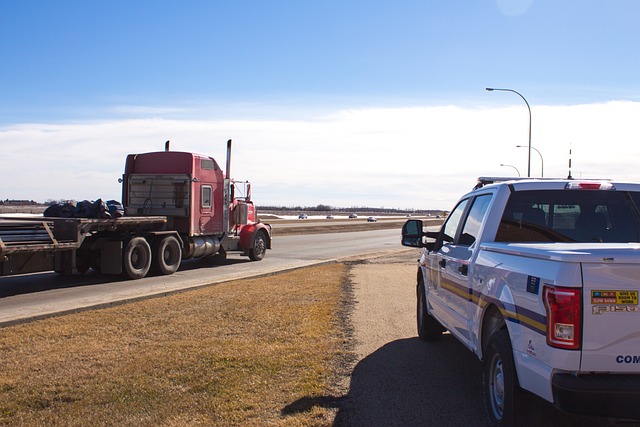
Preparing for the DMV VIN verification process is a crucial step in registering your car in California. This involves ensuring that your vehicle’s unique identifier—the Vehicle Identification Number (VIN)—is accurate and accessible for inspection. The DMV VIN verification ensures the authenticity of your vehicle, which is essential for safety and security purposes. One key aspect to consider is whether you opt for traditional or mobile vin inspection. Traditional inspections are conducted at a fixed DMV location, while mobile vin verification brings the inspection service to your doorstep, saving time and effort.
In California, the DMV may request a vin inspection for various reasons, such as when transferring ownership, registering a new vehicle, or verifying the authenticity of a sold vehicle. During the process, a trained inspector will check the VIN plate on your car—usually located on the driver’s side door frame—and compare it with the information recorded in their database. They may also use advanced tools for mobile vin inspection to cross-reference and validate the data, ensuring accuracy down to the smallest detail. It’s important to have all necessary documents, including proof of ownership and insurance, readily available during the verification process.
To streamline the DMV VIN verification, consider gathering relevant records in advance. Keep your vehicle registration papers, title certificates, and any maintenance records that support your ownership claim. Moreover, if you’re opting for a mobile vin inspection service, schedule it well ahead of time to avoid last-minute hassles. Reputable mobile services often offer same-day or next-day appointments, ensuring convenience while adhering to California’s registration requirements. By proactively preparing for the VIN verification process and leveraging modern tools like mobile inspections, you can navigate the DMV procedures with greater ease and efficiency.
Pay Vehicle Registration Fees: A Detailed Guide

Paying your vehicle registration fees is a crucial step in registering your car with the California Department of Motor Vehicles (DMV). This process ensures that your vehicle complies with state safety and emission standards and allows you to legally operate it on California roads. The fee structure varies based on several factors, including the type and age of your vehicle, its fuel efficiency, and whether you’re a new or existing California resident.
First-time registrants or those transferring a title typically pay a base fee plus additional charges for emissions testing and registration. For instance, as of 2023, the base fee for most cars ranges from $57 to $146, depending on the vehicle’s weight and type. There’s also a $29.75 fee for DMV vin verification (or mobile vin inspection), which can be conducted by authorized service centers or even through some third-party mobile vin verifier apps. These apps provide a convenient way to get the necessary VIN inspection 1-3 times during registration, depending on your vehicle category.
Existing residents renewing their registration online or in person may avoid certain fees if their vehicles meet specific criteria. For example, cars with advanced emission control systems may qualify for reduced rates or even a discount on registration renewals. It’s essential to review the current DMV fee schedule and consider factors like recent emissions tests or fuel efficiency ratings that could impact your overall cost. This proactive approach ensures you’re prepared for the financial aspects of car ownership in California, providing a smooth transition from registration to driving.
Complete Your Car's Registration Online or In-Person

Registering a car in California involves several steps, but completing your vehicle’s registration through an online or in-person process is a crucial aspect of ensuring your investment is legally recognized. The California Department of Motor Vehicles (DMV) offers these options to make the registration procedure efficient and accessible for all residents.
For those with modern vehicles, completing your car’s registration online can be as simple as entering your Vehicle Identification Number (VIN). The DMV provides a digital platform where you input your VIN, which then facilitates an automated verification process. This method streamlines the initial registration and title transfer, especially for buyers acquiring cars through reputable dealers or private sales within the state. Furthermore, many mobile vin verifiers offer convenient services to conduct this check using only your smartphone, making it easier than ever to ensure your vehicle’s authenticity during registration.
If you prefer a more traditional approach or encounter issues with online platforms, visiting a local DMV office is another viable option. Here, you can complete the registration process in person, where staff will guide you through the necessary steps. During an in-person visit, a vin inspection becomes crucial to validate your vehicle’s history and identify any potential red flags. This hands-on approach allows for immediate issue resolution and ensures that all required documents are properly submitted, leading to quicker registration approval. Examples of documentation include proof of insurance, identity verification, and payment for the registration fee, which varies based on vehicle type.
Whichever method you choose—online or in-person—ensuring accurate VIN entry is paramount. Accurate vin inspection ensures your car’s information aligns with DMV records, facilitating a smooth registration experience. It’s advisable to verify that all details are correct before proceeding, as errors can cause delays or require additional steps to rectify them.
Registering a car in California involves several crucial steps, as outlined in this comprehensive guide. Key takeaways include gathering essential documents, understanding the DMV VIN verification process, paying the required registration fees, and completing the registration either online or in-person. The most significant step is meticulous preparation for the dmv vin verification, ensuring all vehicle details are accurate and readily available. By following these detailed instructions, California residents can efficiently navigate the registration process, confirming their vehicles’ legal status and enjoying a seamless driving experience within the state’s regulatory framework.