

Registering a car in California is a vital step for any new owner, ensuring legal compliance and protecting your investment. However, navigating the process can be challenging, with its complex regulations and paperwork. This comprehensive guide aims to demystify the registration procedure, offering clear instructions to ensure a seamless experience. We’ll cover everything from gathering essential documents to utilizing reliable resources like VIN verifiers to confirm vehicle history. By the end, you’ll be equipped to register your car with confidence, knowing you’ve taken all necessary steps to protect your interest.
- Gather Required Documents for Car Registration in California
- Prepare Your Vehicle for Inspection: A Step-by-Step Guide
- Use the VIN Verifier to Check Vehicle History
- Complete the California Car Registration Application Process
- Submit and Pay for Your Car Registration, Avoid Delays
Gather Required Documents for Car Registration in California

Registering a car in California involves gathering crucial documents to ensure a seamless process. One critical step is verifying your Vehicle Identification Number (VIN). This process has become increasingly streamlined with the advent of technology, including mobile VIN verification services. Utilizing a mobile VIN verifier can simplify and expedite the documentation phase, making it an attractive option for many California residents.
To initiate the registration process, you’ll need several key documents. Firstly, a valid driver’s license or state-issued ID card is essential. Additionally, proof of vehicle ownership through a title document or a previous registration certificate is necessary. If you’ve recently purchased the vehicle, ensure you have the bill of sale to establish your ownership rights. Furthermore, insurance documentation demonstrating current coverage for the car is a mandatory requirement. Some states also mandate a smog check certification, especially if your vehicle is over a certain age, so checking local regulations is vital.
Mobile VIN inspection tools offer a convenient way to validate essential vehicle information, including the VIN itself, make, model, and year. These services allow you to quickly upload photos or scan barcodes of your car’s VIN plate, providing immediate digital verification. This modern approach is not only efficient but also reliable, ensuring that all details match accurately with California’s registration records. By combining traditional documentation with mobile VIN verification, you can confidently navigate the registration process, avoiding potential delays or errors.
Prepare Your Vehicle for Inspection: A Step-by-Step Guide
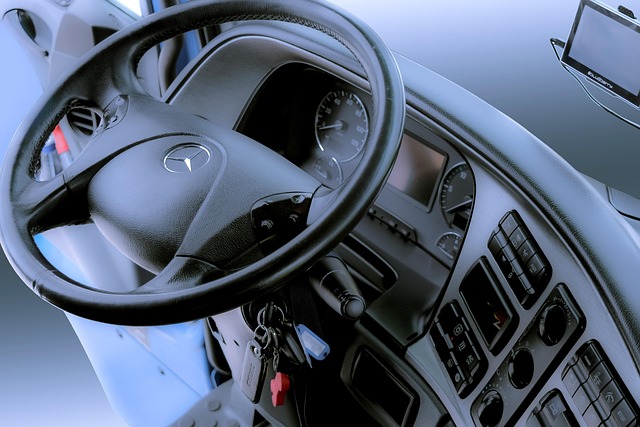
Before you can register your car in California, your vehicle must pass an inspection to ensure it meets safety and emissions standards. This process involves a thorough check of various components, from lights and mirrors to exhaust systems and tires. To streamline this step, consider using a mobile VIN verifier or mobile vin verification service. These tools not only simplify the process but also provide accurate data directly from manufacturers, increasing the likelihood of a smooth inspection.
Here’s a step-by-step guide on how to prepare your car for the California vehicle inspection:
1. Check Basic Functionality: Start by ensuring all essential components are in working order. This includes headlights, taillights, turn signals, brakes, wipers, and windshield wiper fluid. A mobile VIN verifier can help you verify specific part numbers and ensure they’re up to date with the latest recalls or replacement parts needed.
2. Inspect Tires and Wheels: Verify that your tires have sufficient tread depth and are in good condition. Check for proper inflation pressure, as under- or over-inflated tires can fail inspection. Ensure wheel covers or wheels are securely fastened and free from cracks or damage.
3. Exhaust System and Tailpipe: Inspect the exhaust system for any leaks, holes, or obstructions. A damaged tailpipe can easily fail an inspection, so ensure it’s intact and properly connected.
4. Emissions Control Components: Verify that your vehicle’s emissions control devices, such as catalytic converters and oxygen sensors, are in place and functioning correctly. Many mobile VIN verifiers offer detailed emission system checks, ensuring you meet the latest California pollution standards.
5. Use a Mobile VIN Verifier for Peace of Mind: Incorporate a mobile VIN verifier or mobile vin inspection into your pre-inspection routine to ensure everything is in order. These services allow you to access vehicle history reports, including recall information and previous accidents, which can help prevent unexpected failures during the official inspection.
By following these steps and utilizing modern tools like mobile VIN verifiers, you’ll be well on your way to passing California’s vehicle inspection with flying colors.
Use the VIN Verifier to Check Vehicle History

Before registering your car in California, utilizing a VIN verifier to check a vehicle’s history is an essential step. This process ensures you’re making an informed decision, protecting yourself from potential issues, and ensuring compliance with state regulations. A Vehicle Identification Number (VIN) inspection provides access to detailed records about a car’s past, including ownership changes, accidents, maintenance histories, and reported issues.
In California, mobile VIN inspection and verification services have gained popularity due to their convenience and efficiency. These services allow you to perform a VIN check from the comfort of your home or even while waiting at a DMV office. With just a few clicks, you can access a vehicle’s entire history, giving you peace of mind as you navigate the registration process. For instance, the California Department of Motor Vehicles (DMV) offers an online tool that leverages VIN data to provide basic information about a car’s history, though for comprehensive details, a specialized VIN verifier is recommended.
Choosing a reliable VIN verification service is crucial. Look for providers who offer both mobile and stationary inspection options, ensuring flexibility. Additionally, verify that they’re authorized by the DMV or recognized industry standards to ensure data accuracy. Remember, a thorough VIN inspection can prevent costly surprises down the road, making it an indispensable step in the car registration process.
Complete the California Car Registration Application Process

To complete the California car registration application process, you’ll first need to gather essential documents and ensure your vehicle meets all legal requirements. The primary step involves utilizing a VIN (Vehicle Identification Number) verifier to confirm the vehicle’s authenticity and history. In California, this often includes a mobile VIN verifier, which can be accessed through various online platforms or apps that provide remote verification services. This ensures accuracy during registration, as it checks for any discrepancies or hidden issues associated with the vehicle’s past.
Once your VIN is verified, you’ll need to prepare other necessary documents such as proof of insurance, a valid driver’s license, and evidence of ownership (like a title or bill of sale). These documents should be original or certified copies to ensure their authenticity. It’s crucial to double-check that all information on these documents matches exactly with your vehicle’s details. In some cases, you may also require additional paperwork if your car is a classic, salvage, or imported vehicle.
After gathering all required documentation, you can submit an application for registration through the California Department of Motor Vehicles (DMV). This process can be done online or at a local DMV field office. During submission, make sure to fill out the form accurately and completely. The DMV will then perform a thorough inspection, including a VIN inspection 1-3 times to validate the vehicle’s history further. Upon successful verification and processing fees, your car registration will be approved, allowing you to legally operate your vehicle on California roads.
Submit and Pay for Your Car Registration, Avoid Delays

When registering your car in California, ensuring timely submission and payment of registration fees is crucial to avoid delays. The process involves several steps, and one critical aspect often overlooked is efficient handling of your Vehicle Identification Number (VIN) inspection and verification. This step is essential as it confirms your vehicle’s authenticity and history, a key requirement for issuing a registration.
A common challenge many California residents face is scheduling an in-person VIN inspection at a designated office, which can lead to delays, especially during peak seasons. To streamline this process, leveraging modern technology like mobile VIN verification services offers a convenient solution. These services allow you to complete the VIN inspection remotely using your smartphone or tablet, providing instant results and peace of mind. For instance, many online platforms now offer remote VIN inspections, where a professional inspector uses a specialized tool to capture and validate your vehicle’s unique code, ensuring it matches the data in national databases.
By opting for mobile VIN verification, you can potentially save valuable time and avoid unnecessary visits to government offices. This method has gained popularity due to its efficiency, accuracy, and convenience. Moreover, many of these services are cost-effective, often comparable or even more affordable than traditional in-person inspections. Ensure that the service provider is reputable and accredited by California’s relevant authorities to guarantee a legitimate and reliable process.
By meticulously gathering all necessary documents, preparing your vehicle for inspection using a step-by-step guide, utilizing the VIN verifier to access crucial vehicle history, and diligently completing the California car registration application process, you can ensure a smooth and efficient registration experience. Remember, the VIN verifier is an indispensable tool in confirming your vehicle’s authenticity, making it a key component of this process. With these practical steps outlined in this authoritative article, you’re well-equipped to navigate the car registration procedures in California confidently, leaving no room for delays or complications.