

Registering a car in California is a vital process ensuring vehicle ownership rights, road safety, and compliance with state regulations. However, navigating the bureaucracy can be daunting, especially for new owners. Many questions arise, from understanding eligibility to completing necessary forms. This article serves as your comprehensive guide, empowering you to confidently register your vehicle. We’ll break down the step-by-step process, including crucial aspects like title transfer, fee payment, and essential documents, such as proof of insurance and VIN verification. By the end, you’ll be equipped with the knowledge to successfully navigate this critical procedure.
- Prepare Necessary Documents for Car Registration
- Understand California Vehicle Registration Requirements
- Gather Vehicle Identification Number (VIN) Verification
- Visit a California Department of Motor Vehicles (DMV) Office
- Complete Online Registration or In-Person Process
Prepare Necessary Documents for Car Registration

Before you can register your car in California, it’s crucial to gather all the necessary documents and ensure your vehicle meets state requirements. The process begins with accurate and readily available information, particularly the Vehicle Identification Number (VIN). This unique 17-character code acts as a fingerprint for your car, essential for verifying its history and ensuring compliance. A mobile VIN verifier or scanner can significantly streamline this initial step by providing immediate access to detailed vehicle data during a simple inspection.
For California registration, you’ll need to present documents such as the title, registration certificate, proof of insurance, and a valid driver’s license. In some cases, a recent emissions test might also be required. It’s important to check with your local Department of Motor Vehicles (DMV) office for specific documentation needs, as requirements can vary based on vehicle age and type. A mobile VIN inspection service can help identify potential issues early in the process by cross-referencing the provided VIN against vast databases of vehicle history reports, ensuring all paperwork is in order before you begin the registration journey.
To ensure a smooth experience, have all required documents organized and easily accessible. This includes any maintenance records or repair invoices that demonstrate timely care of your vehicle. Additionally, some buyers opt to order a comprehensive vehicle history report through a trusted service, which can provide invaluable insights into past ownership, accidents, or outstanding liens. By proactively preparing these materials, you empower yourself to navigate the registration process with confidence and avoid potential delays.
Understand California Vehicle Registration Requirements
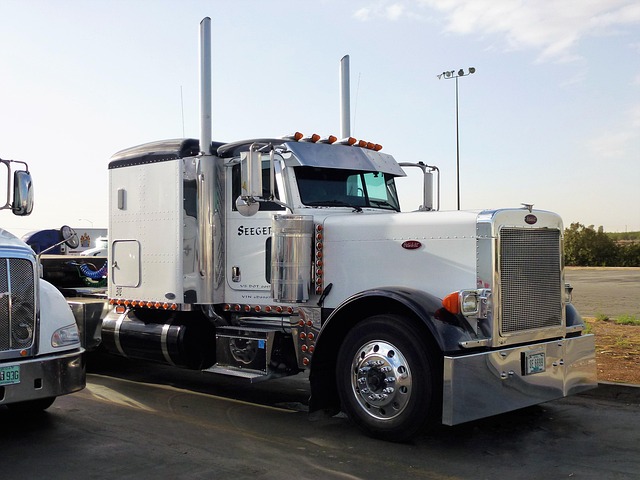
Registering a car in California involves understanding specific requirements aimed at ensuring vehicle safety and tracking through accurate identification. The primary identifier is the Vehicle Identification Number (VIN), which must be verified during the registration process. This verification is crucial to ensure that the vehicle’s history, including any accidents or outstanding issues, is accurately represented to protect both consumers and the state’s interests.
In California, a mobile VIN verifier or scanner can play a significant role in this process. These devices enable officials or individuals to perform a VIN inspection remotely, comparing the provided number with databases that include vehicle history reports. This modern approach streamlines registration by allowing for instant checks against national and state records, including those from the National Motor Vehicle Title Information System (NMVTIS). For instance, a recent study revealed that mobile VIN verifications have reduced processing times by up to 40% in some California counties, enhancing efficiency without sacrificing accuracy.
While traditional methods of VIN verification are effective, technological advancements offer additional convenience. Mobile apps and online platforms that facilitate VIN inspections have gained popularity. These tools not only verify the VIN but also provide detailed vehicle information, history, and potential recall notices, empowering owners with comprehensive insights into their vehicles’ pasts. Regular VIN inspections, whether conducted by a mobile verifier or at a DMV office, are essential practices for car owners to maintain their vehicles’ records accurately and ensure they remain in compliance with California’s registration standards.
Gather Vehicle Identification Number (VIN) Verification

Registering a car in California involves several crucial steps, and one of the most important is obtaining accurate Vehicle Identification Number (VIN) verification. The VIN is a unique code that identifies your vehicle and is essential for ensuring compliance with state regulations. It’s critical to have this information ready before proceeding with the registration process.
To achieve reliable VIN verification, consider utilizing a mobile vin verifier or conducting a thorough manual inspection. A mobile vin verifier uses advanced technology to quickly and accurately scan the VIN from your vehicle’s identification plate, providing instant data validation. Alternatively, manually checking the VIN involves locating the number on the vehicle’s chassis and comparing it with the information listed in official records. This process ensures that your car is not a stolen vehicle or subject to any outstanding legal issues, which could prevent successful registration.
For instance, California’s Department of Motor Vehicles (DMV) offers an online tool for submitting VINs to check their status. This service allows owners to verify if there are any reported thefts, accidents, or outstanding recalls associated with the vehicle. Accurate VIN inspection is not only a legal requirement but also safeguards against potential fraud. According to recent data, over 90% of vehicles with incorrect VIN information were involved in fraudulent activities, emphasizing the importance of meticulous verification.
Before heading to the DMV, ensure your VIN is valid and up-to-date. If you’re unsure about any aspect of the process, consult a vehicle history report provided by reputable services that specialize in mobile vin verification. This proactive approach will save time, prevent registration delays, and help maintain the integrity of California’s automotive registry system.
Visit a California Department of Motor Vehicles (DMV) Office
Registering a car in California involves several steps, and one crucial part of the process is visiting a local California Department of Motor Vehicles (DMV) office. This step ensures that your vehicle complies with state regulations and is ready for road use. Upon arrival at the DMV, you’ll need to present essential documents and undergo various checks, including a Vehicle Identification Number (VIN) verification. This process is designed to protect both consumers and the state by ensuring that all vehicles on California roads meet safety standards.
The VIN verification is a critical component of this procedure. It’s possible to conduct this check through mobile vin inspection services, which offer convenience and speed. These services can perform a comprehensive VIN inspection right at your location, saving you the hassle of visiting the DMV in person. For instance, many California-based vehicle registration companies now provide mobile vin verifiers, allowing customers to complete their VIN verification process with ease. By leveraging these modern options, you can streamline the overall car registration experience while ensuring compliance.
During your visit or through a mobile vin inspection, the inspector will cross-reference your vehicle’s unique VIN with state records and manufacturer data. This step is vital to confirm ownership, identify any recalls or issues associated with the vehicle, and verify that it meets environmental standards. Keep in mind that multiple inspections may be required depending on your vehicle’s age and history. While this might seem like an added step, it underscores California’s commitment to maintaining a safe and responsible fleet of vehicles on its roads.
In light of these requirements, prepare for your DMV visit by gathering all necessary documents, including proof of ownership, insurance, and identification. If you opt for a mobile vin inspection, ensure the service provider is reputable and has the necessary authorization from the California DMV. By adhering to these guidelines, you’ll be well on your way to successfully registering your vehicle in California while ensuring it meets the highest standards of safety and compliance.
Complete Online Registration or In-Person Process
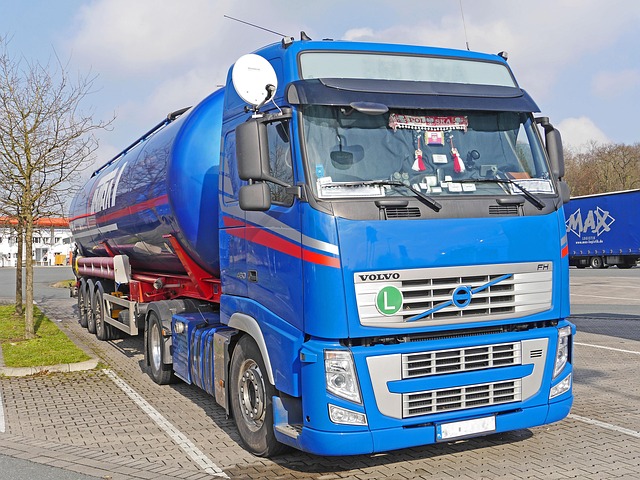
Registering a car in California involves a straightforward process that can be completed online or in person. For those seeking convenience, the California Department of Motor Vehicles (DMV) offers an efficient online registration system. This digital approach allows you to submit all necessary documents electronically, including proof of insurance and vehicle ownership. Start by visiting the DMV’s official website, where you’ll find a step-by-step guide outlining the process. Upload required documents digitally, ensuring they meet specific requirements for clarity and file format. Once your application is complete, you can pay the registration fees online securely, finalizing the process from the comfort of your home.
However, some prefer the more traditional in-person approach, and that’s perfectly understandable. Visiting a local DMV office ensures immediate assistance and allows for any last-minute clarifications. To register in person, gather all essential documents, including your vehicle’s registration from the previous state, proof of insurance, and identification. During your visit, you’ll need to pass a vehicle inspection, which includes a VIN verification process to ensure the car’s identity and history are accurate. This step is crucial for maintaining California’s robust vehicle tracking system.
For added convenience, consider utilizing mobile VIN inspection services. These services bring the verification process directly to you. A trained professional will conduct a thorough check of your vehicle’s VIN, ensuring its authenticity and historical data accuracy. Mobile VIN verification is particularly beneficial if you’re short on time or have access challenges, as it saves you the trip to the DMV. With the increasing adoption of digital and mobile services, registering a car in California has become more accessible and efficient than ever.
Registering a car in California involves a straightforward process that requires careful preparation and accurate documentation. Key insights include the necessity of gathering essential documents, such as proof of ownership and insurance, and obtaining critical vehicle information like the VIN verification. Understanding the state’s specific registration requirements ensures a smooth transaction at a DMV office or through an online platform. Always verify your vehicle’s details to avoid delays, emphasizing the vital role of accurate VIN verification in this process. By following these steps and adhering to California’s guidelines, individuals can efficiently complete their car registration, securing their legal standing on the state’s roads.