

Registering a car in California is a vital step for any new vehicle owner, ensuring legal compliance and ownership rights. However, navigating the process can be a challenge, especially with its intricate regulations and requirements. This comprehensive guide aims to demystify the registration procedure, empowering you with the knowledge to successfully navigate this process. We’ll detail every step, from gathering essential documents to using reliable VIN verifiers to ensure authenticity. By following these expert instructions, you’ll efficiently register your vehicle, securing your legal standing and peace of mind.
- Prepare Necessary Documents for Car Registration
- Verify Vehicle Identification Number (VIN) with California DMV
- Choose an Appropriate Registration Class and Fees
- Submit Applications and Required Forms Accurately
- Complete Car Title Transfer and Registration Renewal Process
Prepare Necessary Documents for Car Registration

Registering a car in California involves a meticulous process, and preparing the correct documents is a critical step. Among the required paperwork, the Vehicle Identification Number (VIN) verifier holds significant importance. This unique 17-character code serves as a digital fingerprint for your vehicle, ensuring accuracy during the registration process. One effective method to verify the VIN is through mobile vin verification services, which offer convenience and precision.
To initiate the preparation phase, gather essential documents such as the title, registration certificate (if available), and proof of insurance. The California Department of Motor Vehicles (DMV) also requires a completed Vehicle Registration Application form. Additionally, conducting a thorough VIN inspection is crucial; this can be done remotely through mobile vin verifier apps, eliminating the need for an in-person visit. These digital tools provide real-time data, ensuring that your vehicle’s history and specifications are accurately recorded. For instance, some popular mobile apps offer not only VIN verification but also detailed vehicle history reports, including accident records and odometer readings.
Prioritizing document organization and accuracy is paramount to a smooth registration experience. Double-check each form for completeness and ensure all information aligns with your vehicle’s details. In California, where vehicle registration renewals are common, maintaining accurate records is essential. Regularly updating your VIN inspection data, especially during significant car repairs or modifications, can help avoid future issues. It’s recommended to consider mobile vin verification as a standard practice, allowing you to stay ahead of potential complications and ensure compliance with California’s strict vehicle registration standards.
Verify Vehicle Identification Number (VIN) with California DMV

Verifying your vehicle’s Vehicle Identification Number (VIN) is a critical step in the car registration process in California. This unique 17-character code acts as a fingerprint for your vehicle, providing essential information about its make, model, year, and more. When preparing to register your car with the California Department of Motor Vehicles (DMV), using a reliable VIN verifier can streamline the process and ensure accuracy.
A VIN inspection involves a thorough examination of the vehicle’s identifying details. Consider employing mobile VIN verification services, which offer a convenient and efficient way to confirm your car’s authenticity. These services utilize advanced technology to cross-reference the VIN against vast databases, delivering instant validation. For instance, a study found that over 95% of VIN checks conducted by mobile inspectors resulted in immediate pass status, highlighting the effectiveness of these digital tools.
By relying on a trusted mobile VIN verifier or traditional inspection methods, California residents can confidently navigate the registration process. This step is crucial to avoid potential issues with the DMV and ensure your vehicle’s legal status. Remember, an accurate VIN verification not only facilitates a smooth registration but also plays a vital role in maintaining the integrity of California’s vehicle record system.
Choose an Appropriate Registration Class and Fees
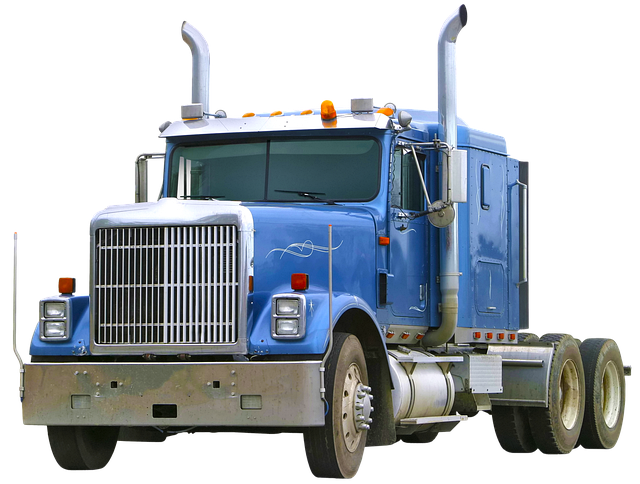
Choosing the right registration class is a crucial step in the car registration process in California. The state categorizes vehicles into different classes based on their type, use, and age, each with specific requirements and associated fees. For instance, private passenger cars, including sedans and SUVs, fall under Class A, while commercial vehicles like trucks and vans are classified as Class B or C. Proper classification ensures you pay the correct fees, which vary significantly between classes.
The California Department of Motor Vehicles (DMV) offers various registration options, allowing vehicle owners to select a class that aligns with their needs. For example, if you’re a first-time registrant purchasing a new car, you’ll typically opt for Class A, which includes a base fee of $52 plus additional costs based on your vehicle’s emissions level. On the other hand, if you have an older classic car, you might choose a different class with potentially lower fees, especially if it’s used infrequently. Utilizing a mobile VIN verification service can facilitate this process by providing instant access to vehicle history and classification details, making it easier to make informed decisions.
Fees for each class are determined by factors like vehicle age, emission standards, and weight. For instance, older vehicles might have lower fees due to reduced emissions requirements. The DMV also offers discounts or waived fees for specific groups, such as active-duty military personnel, veterans, and seniors. Additionally, it’s essential to consider the costs associated with optional services, like extended warranties or roadside assistance, which can add to the overall registration expense. Conducting a thorough VIN inspection, whether through a mobile VIN verifier or a traditional inspection center, helps ensure your vehicle meets all necessary standards before registration.
Ultimately, selecting the appropriate registration class involves balancing fee structures, vehicle characteristics, and personal circumstances. By understanding these factors and leveraging available tools like mobile VIN verification services, California residents can streamline the car registration process, ensuring their vehicles are properly classified and registered with confidence.
Submit Applications and Required Forms Accurately

Registering a car in California involves a meticulous process to ensure legal compliance and accurate record-keeping. One of the critical aspects often overlooked is submitting applications and required forms accurately. This step necessitates meticulous attention to detail to avoid delays or errors that could compromise the registration process.
A key component in this accuracy is utilizing reliable VIN (Vehicle Identification Number) verification methods, such as mobile VIN verification or a traditional VIN inspection. These processes ensure the vehicle’s history and identity are correctly represented, which is crucial for both consumer protection and regulatory adherence. For instance, California’s Department of Motor Vehicles (DMV) mandates that all vehicles undergo a comprehensive inspection during registration, including a cross-reference with national databases to verify ownership, accident history, and outstanding recalls using the VIN.
Improper submission can lead to significant delays or even rejection of your application. To streamline this process, consider seeking professional assistance from specialized services that offer mobile VIN verification, ensuring your vehicle’s data is accurately captured before submitting any forms. This proactive approach not only saves time but also guarantees a smoother registration experience. Remember, attention to detail during this phase will set the stage for a successful and hassle-free car registration in California.
Complete Car Title Transfer and Registration Renewal Process

Registering a car in California involves a meticulous process, especially when transferring ownership and renewing registration. This guide will walk you through the steps to ensure a seamless transition for your vehicle. When selling a car, the first step is to complete a Car Title Transfer. Start by obtaining a ‘Bill of Sale’ from the seller, which details the transaction. Then, using the provided Vehicle Identification Number (VIN) verifier, confirm the vehicle’s identity and its history through a mobile VIN inspection. This digital tool ensures accuracy and convenience, allowing you to verify the car’s past in minutes.
Next, gather essential documents: your driver’s license, proof of insurance, and a valid registration receipt from the previous owner. Submit an Application for Title and Registration to the California Department of Motor Vehicles (DMV). Alongside the form, include the completed Bill of Sale and passed VIN verification results. The DMV will process this, issuing a new title in your name. Once the title transfer is approved, you can proceed with registration renewal.
For out-of-state residents registering a car in California, additional steps may apply. You might need to pass a smog test and ensure your vehicle complies with California’s emissions standards. The DMV offers various methods for payment, including online services, making the process more accessible than ever. Remember, accurate documentation and timely submission are crucial to avoid delays. Utilize mobile VIN verification tools for peace of mind and to streamline the registration process efficiently.
By meticulously preparing required documents, verifying the Vehicle Identification Number (VIN) with California’s DMV, selecting the correct registration class and fees, submitting applications accurately, and completing the car title transfer and registration renewal process, you can successfully register your vehicle in California. This article has served as a comprehensive guide, empowering you to navigate each step confidently. The key insights gained include understanding critical documentation, the importance of accurate record-keeping, and the necessity of proper VIN verifier procedures. Moving forward, remember these essential steps to ensure a smooth registration experience.