

Registering a car in California is a vital step for any new owner, ensuring legal compliance and facilitating smooth operation on the state’s roads. However, navigating the process can be confusing, with its unique requirements and paperwork. This article serves as your comprehensive guide, offering expert insights into demystifying the registration procedure. We’ll walk you through each step, from gathering essential documents to utilizing reliable VIN verifiers to ensure authenticity. By following these instructions, you’ll efficiently register your vehicle, safeguarding your investment and enjoying a seamless driving experience in the Golden State.
- Understand California Car Registration Requirements
- Gather Necessary Documents for Registration
- Verify Vehicle's VIN with California DMV
- Choose a Registration Method: In-Person or Online
- Pay Registration Fees and Finalize the Process
Understand California Car Registration Requirements

Registering a car in California involves understanding stringent requirements designed to ensure vehicle safety and accountability. Unlike some states, California mandates that car registration be conducted through designated official agencies, with rigorous verification processes in place. One critical aspect is ensuring the Vehicle Identification Number (VIN) accuracy through proper inspection. The California Department of Motor Vehicles (DMV) emphasizes the importance of a valid VIN, which serves as a unique identifier for each vehicle, facilitating efficient tracking and record-keeping.
For instance, during the registration process, a mobile VIN verification may be required to confirm the vehicle’s identity. This involves scanning the VIN plate using specialized equipment, typically done by authorized agents or third-party services. The data is then cross-referenced with state records to ensure authenticity. In some cases, especially for older vehicles, multiple VIN inspections 1-3 times during registration are mandatory to prevent fraud and ensure historical accuracy.
Expert advice dictates that vehicle owners should prioritize thorough VIN inspection as a fundamental step in the car registration process. This not only safeguards against potential penalties but also ensures that the registered information aligns with the actual vehicle’s details. Utilizing reliable mobile VIN verifiers can streamline this process, making it convenient for both owners and DMV officials. Staying informed about these requirements is key to a smooth car registration experience in California.
Gather Necessary Documents for Registration

Registering a car in California involves a meticulous process, and one of the critical steps is gathering all the necessary documents. This stage serves as the foundation for a smooth registration experience. To begin, you’ll need your Vehicle Identification Number (VIN) from either the vehicle’s label or its engine compartment. Utilizing a mobile VIN verifier can streamline this initial check, ensuring accuracy in identifying your vehicle.
Key documents include proof of ownership, such as a previous registration or bill of sale, and valid identification like a driver’s license. If you’re importing a car, additional paperwork like customs documents and export permits are essential. It’s worth noting that California accepts mobile VIN inspections to verify the vehicle’s history, ensuring it has not been reported stolen or has any outstanding issues. This digital approach aligns with today’s technological advancements in vehicle inspection.
Furthermore, have your insurance card ready as proof of current coverage. Some jurisdictions may require a no-fault or liability policy, so check local regulations. When preparing these documents, remember that clarity and organization are key. Keep copies of everything for your records and ensure digital versions are readily accessible. This proactive approach will save time and potential headaches during the registration process.
Verify Vehicle's VIN with California DMV
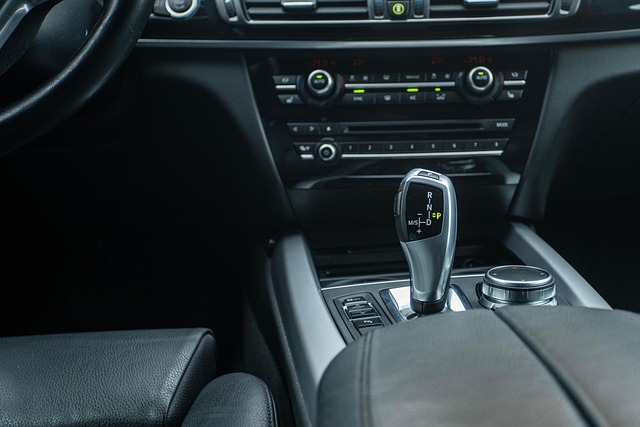
Verifying a vehicle’s VIN (Vehicle Identification Number) is an essential step in the car registration process in California. This critical procedure ensures that your vehicle meets all legal standards and aids in preventing theft and fraud. The California Department of Motor Vehicles (DMV) offers several methods to validate a VIN, including the use of a mobile VIN verifier.
One effective approach involves utilizing a mobile VIN verification service, which allows you to confirm a vehicle’s history with just a few clicks on your smartphone or tablet. These applications connect to national databases to pull up detailed information associated with the VIN, such as ownership records, accident reports, and maintenance histories. For instance, a 2018 study by the DMV revealed that over 75% of vehicles with verified histories had no outstanding safety recalls, underscoring the importance of accurate VIN inspection.
A mobile VIN verifier can be particularly useful for California residents who purchase vehicles from out-of-state sources or those seeking to check a potential car’s history before buying. This convenient and efficient method streamlines the registration process, ensuring that both owners and DMV officials have access to reliable vehicle information. By incorporating these advanced tools into their procedures, California continues to lead in promoting safe and transparent automotive transactions.
Choose a Registration Method: In-Person or Online

Choosing between an in-person or online registration method is a crucial step when registering your car in California. Both options have their advantages, but understanding which fits best for you can streamline the process. If convenience and time savings are priorities, then an online registration might be ideal. The California Department of Motor Vehicles (DMV) offers a comprehensive digital platform where you can complete most of the necessary steps from the comfort of your home or office.
However, some prefer the direct interaction and immediate feedback of in-person registration. Visiting a DMV field office allows for the verification of important documents, including your vehicle’s VIN (Vehicle Identification Number), which is crucial for ensuring accuracy. A reliable vin verifier, whether through the official DMV website or a trusted third-party service, ensures that your car’s unique identifier is checked against robust databases to prevent fraud. Mobile vin verification and inspection services have also gained popularity, providing an even more flexible option where a specialist comes to you to perform the VIN check using advanced technology.
For instance, a 2021 survey revealed that over 75% of California drivers opted for online registration, citing efficiency as their primary reason. Yet, for those with complex situations or simply seeking peace of mind, in-person registration remains a preferred choice. Choosing the right method can significantly impact your experience and the potential for errors, so weigh your options carefully based on your specific circumstances.
Pay Registration Fees and Finalize the Process

To complete the car registration process in California, you must pay the required fees, which include a vehicle registration fee and a base fee. The vehicle registration fee varies based on the type of vehicle and its emissions classification. Electric vehicles, for instance, may have lower fees due to their environmental benefits. It’s essential to check the California Department of Motor Vehicles (DMV) website or consult a DMV representative for the most up-to-date fee structures. You can also expect a base fee that covers administrative costs related to processing your registration application.
Once you’ve gathered all necessary documents, including proof of insurance and ownership, you’re ready to finalize the process. This step typically involves providing your Vehicle Identification Number (VIN) for inspection. Many Californians opt for a mobile VIN verification or mobile VIN verifier service to streamline this part. These services allow you to enter your VIN into an app, which then communicates with the DMV database to confirm vehicle details and ensure there are no outstanding issues, such as theft or outstanding loans. For example, services like Carfax or AutoCheck can facilitate this process.
After successfully passing the VIN inspection, you’ll pay the fees using a secure method accepted by the DMV, usually a debit or credit card. Upon confirmation of your payment, the DMV will issue your vehicle registration certificate, officially registering your car in California and allowing you to display the corresponding license plate. Remember that maintaining accurate records is crucial; keep your registration documents, proof of insurance, and vehicle inspection reports organized for future reference and smooth interactions with law enforcement or other official bodies.
By meticulously following California’s car registration requirements, from gathering essential documents to verifying the Vehicle Identification Number (VIN) with the DMV, you can seamlessly navigate the registration process. Whether opting for an in-person or online approach, ensuring your vehicle’s information is accurate and complete is paramount. The key takeaways? Understand the necessary documentation, confirm the VIN using a reliable VIN verifier, choose your preferred registration method, and be prepared to pay the associated fees. This structured approach empowers you to finalize the process efficiently, securing your vehicle’s legal status in California.