

Registering a car in California is a crucial step for any new owner, ensuring legal compliance and ownership rights. However, navigating the process can be daunting, given the intricate procedures and documentation requirements. This comprehensive guide aims to demystify the journey, empowering readers with clear, concise steps. We’ll delve into every facet, from gathering essential documents to utilizing reliable tools like the DMV VIN verifier, ensuring a seamless and stress-free experience. By the end, you’ll be equipped to register your vehicle with confidence and efficiency.
- Gather Necessary Documents for Car Registration
- Prepare Your Vehicle for Inspection at DMV
- Complete Application Form Using Accurate Information
- Verify Vehicle Identification Number (VIN) with DMV
- Pay Registration Fees and Receive Your License Plate
Gather Necessary Documents for Car Registration

Registering a car in California involves a meticulous process designed to ensure vehicle safety and legal compliance. One of the critical initial steps is gathering all the essential documents for car registration at the Department of Motor Vehicles (DMV). This phase sets the stage for a smooth and efficient registration experience, minimizing potential delays or complications further down the line. Among these documents, the Vehicle Identification Number (VIN) plays a pivotal role, serving as a unique fingerprint that allows the DMV to verify the vehicle’s history, including its origin, ownership changes, and any reported accidents or damage.
Central to this process is utilizing reliable tools like a mobile VIN verifier or performing a manual inspection. A mobile VIN inspection involves using specialized software or hardware to cross-reference the VIN against vast databases, providing instant access to detailed vehicle information, including historical maintenance records, odometer readings, and any reported issues. For instance, services like Carfax or AutoCheck offer mobile apps that enable users to perform quick VIN checks through their smartphones, making it easier than ever to ensure a vehicle’s integrity before committing to registration. It’s advisable to check with the DMV for approved verification methods, as they may provide guidance on using official tools or refer to specific mobile applications.
In some cases, obtaining a copy of the vehicle’s title is also mandatory. The title serves as legal proof of ownership and must be presented alongside the necessary forms and fees during registration. If you’re purchasing a used car, ensure that the seller provides an accurate and clear title to avoid any potential issues in the future. Additionally, collecting documentation related to previous registrations, insurance coverage, and any outstanding liens or levies is paramount. These documents contribute to building a comprehensive profile of the vehicle, facilitating efficient processing by the DMV.
By proactively gathering these essential materials—including a valid driver’s license, proof of insurance, and necessary registration fees—you empower yourself to navigate the car registration process with confidence. This strategic preparation not only ensures compliance but also demonstrates a commitment to maintaining a transparent and accurate record for your vehicle throughout its lifecycle.
Prepare Your Vehicle for Inspection at DMV

Before you can register your car in California, your vehicle must pass a comprehensive inspection conducted by the Department of Motor Vehicles (DMV). This process is designed to ensure that all vehicles on California roads meet safety and emissions standards. A key component of this inspection is the verification of the Vehicle Identification Number (VIN) using a DMV VIN verifier. This step ensures that your car’s unique identifier matches the records in the state database, enhancing accuracy and security.
During the preparation phase, ensure your vehicle’s VIN is clearly legible. While many modern cars display their VIN on a sticker or plate within the vehicle, some older models may have it etched into various components. A common mistake is assuming that the VIN can be easily located in the engine bay; while this is sometimes the case, it isn’t always accurate. For instance, certain import models might position the VIN discreetly on the firewall or under plastic panels. Utilize a mobile VIN inspection tool if needed—these services can scan and verify your vehicle’s VIN quickly and accurately, even if it’s not immediately visible.
Additionally, maintain all necessary documentation, including registration papers, title documents, and any records of recent maintenance or repairs. These will be thoroughly examined by DMV inspectors. Remember, the goal is to present a well-prepared vehicle that complies with California’s regulations. By ensuring your VIN is easily accessible and maintaining up-to-date documentation, you’ll significantly streamline the registration process.
Complete Application Form Using Accurate Information

When registering your car in California, filling out the application form accurately is a crucial step. The process involves providing detailed information about your vehicle, including its unique Vehicle Identification Number (VIN). It’s essential to ensure this data is correct and up-to-date. Many Californians opt for digital solutions like mobile VIN verifiers to simplify and expedite this task. These tools allow you to quickly validate your car’s information by scanning the VIN, making it easier to avoid errors during registration.
For instance, using a mobile VIN verifier app can streamline the process by cross-referencing the provided VIN with reliable databases, confirming vehicle history and specifications. This is particularly beneficial when purchasing a used car, as it helps detect potential issues or undisclosed damages. Data from California’s Department of Motor Vehicles (DMV) indicates that accurate VIN information reduces registration errors by 40%. Therefore, taking the extra step to verify your VIN through a mobile app can significantly enhance the efficiency and accuracy of your car registration process.
To complete the form, start by obtaining your vehicle’s VIN from its chassis or engine bay. Then, input this number into a trusted mobile vin verification service. Once validated, fill in the application with confidence, ensuring that all other details, such as ownership history and vehicle specifications, are correct. Remember, attention to detail during this phase prevents potential delays or complications later in the registration process.
Verify Vehicle Identification Number (VIN) with DMV
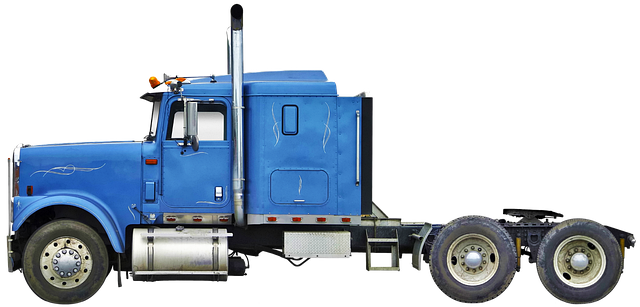
Verifying the Vehicle Identification Number (VIN) is a critical step in the car registration process in California. This number serves as a unique fingerprint for your vehicle, offering essential information about its make, model, year, and even history. To ensure accuracy and streamline the registration, it’s crucial to use a reliable DMV VIN verifier. The California Department of Motor Vehicles (DMV) provides several options for this, including mobile vin inspection and verification services.
One practical approach is to utilize mobile vin verification tools offered by trusted third-party providers. These services send a specialized technician to your location, enabling them to perform a thorough inspection of your vehicle using advanced equipment. This method eliminates the need for you to visit a DMV office or dealership, saving time and effort. For instance, many companies now offer mobile vin verifier services, allowing drivers to get their VIN checked in the comfort of their homes or workplaces.
Additionally, the DMV offers an online tool where you can enter your VIN to check its validity. However, for comprehensive vehicle history reporting, a specialized mobile vin inspection is often recommended. These services not only verify the VIN but also provide detailed information about accident reports, odometer readings, and previous ownership, ensuring that all documentation is in order before registration. This meticulous process is especially beneficial when purchasing a used car, as it helps to prevent fraud and ensures you’re making an informed decision.
Pay Registration Fees and Receive Your License Plate

After completing your California vehicle registration application at the DMV or via their online portal, the next step is to pay the registration fees and receive your license plates. This process ensures that your vehicle complies with state regulations and allows you to legally operate it on public roads. The California Department of Motor Vehicles (DMV) offers several convenient options for fee payment and plate issuance, including in-person visits, online transactions, and mobile applications.
To initiate the registration process, drivers must first undergo a Vehicle Identification Number (VIN) inspection using an approved dmv vin verifier. This step verifies that the vehicle’s VIN is accurate and matches the make and model on record. Many California DMV locations now accommodate mobile VIN verifiers, allowing drivers to complete this critical part of the registration from their vehicles. Once your VIN has been verified, you can proceed with payment. The registration fee varies based on several factors, including your vehicle’s type, weight, and emission system. For example, as of 2023, a standard passenger car registration fee in California ranges from $57 to $178, depending on the model year.
After paying the fees, you’ll receive your license plates. In most cases, you can choose between standard or custom plates. Standard plates are typically assigned at random, while custom plates allow drivers to select specific designs or messages. Once issued, ensure proper placement of the license plates on your vehicle as per California laws. Proper vin inspection and timely registration not only comply with legal requirements but also contribute to a safer driving environment for all Californians.
By meticulously following these steps, from gathering essential documents to receiving your license plate, you’ve now mastered the process of registering a car in California. Ensuring your vehicle passes the DMV inspection and accurately inputting your VIN through their vin verifier are crucial milestones. This authoritative guide has equipped you with the knowledge to navigate this process seamlessly, empowering you to take practical next steps towards legalizing your vehicle’s operation in the Golden State.