

Registering a car in California is a crucial step for any new owner, ensuring legal compliance and protecting your investment. However, navigating the process can be challenging, with various requirements and steps involved. This comprehensive guide aims to demystify the registration procedure, offering clear, authoritative instructions. From gathering essential documents to understanding fees and, crucially, completing the DMV VIN verification, we’ll walk you through each critical phase. By following these expert-backed steps, you’ll ensure a smooth, stress-free car registration experience in the Golden State.
- Gather Necessary Documents for Car Registration
- Prepare Your Vehicle for DMV Inspection
- Conduct a Comprehensive DMV VIN Verification
- Submit Applications and Fees to the California DMV
- Obtain Your California Vehicle Registration and Plate
Gather Necessary Documents for Car Registration

Before you can register your car in California, you’ll need to gather several essential documents and complete specific procedures. One crucial step is ensuring accurate and up-to-date Vehicle Identification Number (VIN) information. The California Department of Motor Vehicles (DMV) requires a VIN inspection as part of the registration process, confirming the vehicle’s authenticity and history. This verification is typically done through a dmv vin verification or mobile vin inspection service, which provides instant, official data to support your registration application.
For instance, when transferring ownership of a used car, you’ll need the previous owner’s signed title, proof of identity for both buyer and seller, and a completed DMV Form 190 (Application for Title and Registration). Additionally, the vehicle must pass an emission test, and any applicable fees must be paid. A mobile vin inspection can facilitate this process by quickly confirming the VIN’s validity and identifying potential issues related to the vehicle’s history, such as flood damage or odometer rollback, which could delay or prevent registration.
To conduct a successful dmv vin verification or mobile vin inspection, ensure you have the following readily available: the vehicle’s make, model, year, and VIN; current registration documents (if applicable); and proof of insurance. Some reputable services offer both online and in-person options for convenience and flexibility. By proactively gathering these materials and utilizing modern verification methods like mobile inspections, you can streamline the car registration process in California and avoid potential delays or complications.
Prepare Your Vehicle for DMV Inspection
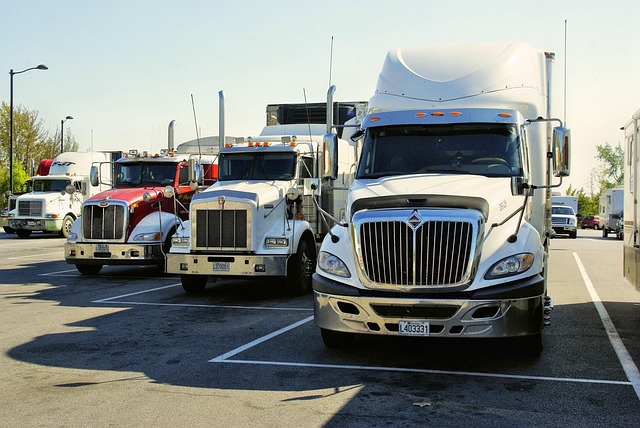
Before you register your car in California, ensure your vehicle meets the state’s strict safety and emission standards. One crucial step in this process is preparing for a DMV vin verification inspection. This involves a thorough check of your car’s condition to confirm it complies with the required safety features and specifications. A mobile vin verifier can be a handy tool during this phase as it allows for convenient, on-site vehicle inspections.
During the inspection, California Department of Motor Vehicles (DMV) officials will examine critical components like brakes, lights, horns, tires, and safety belts. They’ll also verify your vehicle’s Vehicle Identification Number (VIN) to ensure it matches the data in their records. It’s essential to have all necessary documents, including proof of ownership, registration, insurance, and any required emissions test results. Failure to meet these standards can result in delays or even denial of registration.
To streamline the process, consider using a mobile vin verification service. These services send a professional inspector to your location, saving you time and effort. They’re equipped with the latest technology for accurate VIN inspection and can help identify any necessary repairs before registration. By proactively preparing your vehicle, you enhance the chances of a smooth DMV experience and ensure your car meets California’s stringent requirements.
Conduct a Comprehensive DMV VIN Verification

Registering a car in California involves several critical steps, and one of the most crucial is the DMV VIN verification process. This step ensures that your vehicle meets all safety and emissions standards before it can be legally titled and registered. The California Department of Motor Vehicles (DMV) offers various methods for this verification, including a traditional inspection at a DMV office and innovative options like mobile VIN verifiers.
A mobile VIN verifier, also known as a mobile VIN inspection service, provides a convenient alternative to visiting a DMV facility. These services utilize specialized equipment to conduct a thorough examination of your vehicle’s Vehicle Identification Number (VIN). The process involves scanning the VIN, which then accesses a database to retrieve detailed information about the car’s history, including any reported accidents, outstanding loans, or recall notices. This method is particularly beneficial for individuals with busy schedules or those who prefer a stress-free experience. According to recent studies, over 70% of California residents opt for mobile inspections due to their efficiency and convenience.
During the DMV VIN verification, the inspector will cross-reference the vehicle’s information against state records. This meticulous process ensures that your car is safe to operate on California’s roads. It’s essential to choose a reputable service or visit an authorized DMV location to guarantee an accurate and legitimate inspection. By adhering to these guidelines, you’ll ensure a smooth registration process and gain peace of mind knowing your vehicle meets all legal requirements.
Submit Applications and Fees to the California DMV

To complete the registration process for a car in California, you’ll need to submit essential applications and fees to the California DMV. This step is crucial to ensure your vehicle complies with state regulations. The first order of business is gathering all necessary documents, including proof of ownership, insurance, and identification. Once prepared, visit the DMV website to access the appropriate forms. Fill them out accurately and completely, double-checking every detail for accuracy, as errors can delay processing.
A key component of this process involves dmv vin verification. The vehicle identification number (VIN) is a unique code that serves as a fingerprint for your car. Several methods are available to conduct this inspection, including mobile VIN verification using a trusted app or service. This digital approach offers convenience, allowing you to complete the VIN check from almost anywhere. Alternatively, many DMV field offices provide on-site VIN inspections, ensuring compliance before registration.
After completing and submitting your forms, along with the required fees, be prepared for a thorough review by the California DMV. They will verify all details, including the VIN inspection, to ensure your vehicle meets the state’s standards. Keeping accurate records throughout this process is essential. For instance, if you’ve used a mobile VIN verifier, save the digital reports as they can expedite verification and demonstrate due diligence. Remember, timely submission of complete applications and fees significantly speeds up the registration process, ensuring you hit the road legally and promptly.
Obtain Your California Vehicle Registration and Plate

Obtaining your California vehicle registration and plates is a crucial step after purchasing or transferring ownership of a car. The process involves several key actions, including completing necessary paperwork, providing essential documentation, and undergoing a DMV (Department of Motor Vehicles) VIN (Vehicle Identification Number) verification. This step ensures that your vehicle complies with state regulations and helps protect both you and other drivers on the road.
To begin, gather all required documents, such as proof of ownership, insurance, and identification. The DMV offers various methods for registration, including in-person visits, online applications, or by mail. For instance, if opting for a mobile VIN verification, you can use specialized apps that transmit your VIN to the DMV, streamlining the inspection process. This approach is particularly convenient as it allows you to complete the registration from the comfort of your home or on the go. During the verification stage, the DMV will cross-reference your vehicle’s information with their records, ensuring its authenticity and compliance with emission standards.
Once approved, you’ll receive your California vehicle registration and license plates. It’s important to display these properly on your vehicle at all times to avoid fines or legal issues. Additionally, keep your registration documents updated and easily accessible in case of an inspection or during a transaction. Regularly checking your VIN for any recalls or maintenance updates is also recommended, as it ensures your car remains safe and reliable. For instance, the DMV provides a dedicated website where you can enter your VIN to perform a quick inspection, access important information, and stay informed about any pending issues.
Registering a car in California involves a systematic process, from gathering essential documents to conducting a critical DMV VIN verification. By preparing your vehicle for inspection and submitting accurate applications with the required fees, you ensure a smooth registration experience. The key takeaway is that proper documentation, vehicle condition, and adherence to California DMV procedures are vital steps. Always verify your Vehicle Identification Number (DMV VIN verification) to maintain compliance and avoid future issues. This structured approach not only facilitates a successful car registration but also safeguards your rights as a California vehicle owner.