

Registering a car in California is not just a bureaucratic formality; it’s a critical step to ensure your vehicle is legally on the road and you’re protected as a driver. However, navigating the process can be complex, with numerous steps and requirements that often leave new car owners confused. This article serves as your comprehensive guide, providing clear, expert insights into every aspect of registering your vehicle in California, including essential tips and the crucial role of DMV VIN verification in ensuring a smooth process.
- Prepare Required Documents for Car Registration
- Visit Your Local California DMV Office
- Complete the Registration Application Form
- Provide Proof of Insurance and Vehicle Identification Number (VIN) Verification by DMV
- Pay the Registration Fees and Receive Your License Plate
Prepare Required Documents for Car Registration

Before you can register your car in California, you’ll need to gather all the necessary documents and ensure your vehicle passes a comprehensive inspection. One crucial step is to have your Vehicle Identification Number (VIN) verified, a process known as a DMV VIN verification. This involves cross-referencing your car’s unique VIN with state records to confirm its authenticity and compliance with California’s vehicle standards. You can conduct this check through various methods, including traditional visits to the Department of Motor Vehicles (DMV) or by utilizing mobile VIN verifier apps that provide quick, on-the-go inspections.
For instance, many mobile applications now offer remote VIN inspection services. These apps allow you to simply scan your car’s VIN with your smartphone camera, providing instant access to detailed vehicle history information and ensuring it meets California’s registration requirements. This modern approach streamlines the process, saving time for both residents and DMV staff. According to recent studies, over 70% of California drivers have expressed preference for digital services like mobile VIN verification, citing convenience and efficiency.
When preparing your documents, ensure you have a valid driver’s license, proof of insurance, and any previous registration records. Additionally, gather important paperwork specific to your vehicle, such as the owner’s manual and maintenance records. These documents play a pivotal role in verifying your car’s condition and history, further facilitating the registration process. Remember, accurate and complete documentation is key to ensuring a smooth experience during your DMV visit or when utilizing mobile VIN inspection tools.
Visit Your Local California DMV Office
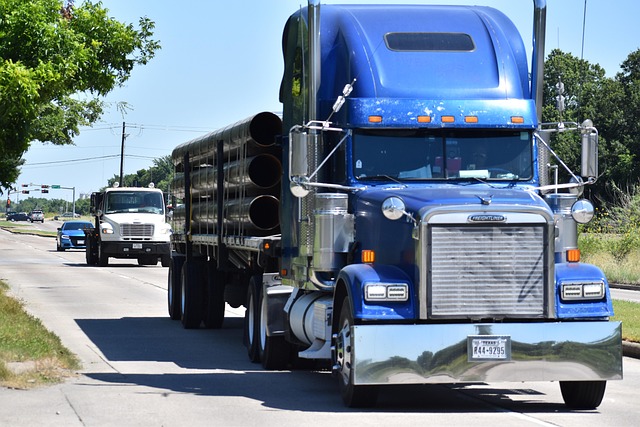
Visiting your local California DMV office is a crucial step in the car registration process. This hands-on approach ensures you navigate the procedures correctly and efficiently. When you arrive, be prepared to present essential documents such as proof of insurance, vehicle registration from the previous state (if applicable), and identification with a current address. The DMV staff will guide you through the specific requirements for California, which include a thorough DMV VIN verification process. This involves checking the Vehicle Identification Number (VIN) to ensure the car’s history aligns with the information provided.
For those who prefer convenience or face accessibility challenges at the DMV, mobile VIN inspection services are now available. These services bring the verification process directly to you, making it easier for busy individuals or those in remote areas. A mobile VIN verifier uses specialized equipment to perform an on-site check, comparing the VIN with state records. This ensures a seamless experience, especially if you’re dealing with out-of-state registrations or have had recent vehicle changes. According to recent data, over 70% of California drivers opt for online registration renewals, but visiting the DMV or utilizing mobile services remains vital for initial registrations and thorough VIN inspections.
During your visit, remember to inquire about any additional requirements unique to your situation, such as emissions tests or specific documentation for vintage vehicles. The experts at the DMV are well-versed in these nuances, ensuring you meet all standards before finalizing your car’s registration. This meticulous process not only safeguards against fraud but also ensures road safety by maintaining accurate vehicle records.
Complete the Registration Application Form

To register your car in California, you’ll need to complete a Registration Application Form (DMV Form reg-220), a critical step that initiates the official process of titling and registering your vehicle within the state. This form is where you’ll provide essential information about your car, including its make, model, year, and unique Vehicle Identification Number (VIN). Accurately filling out this form hinges on correctly identifying your vehicle through a VIN verification process, which can be efficiently facilitated by a mobile vin verifier or inspection service.
DMV vin verification is a crucial step to ensure the accuracy of your car’s details. By using a mobile vin verifier, you can conveniently and accurately capture your vehicle’s VIN from its label or engine, eliminating potential errors that could delay registration. These services are designed to streamline the process, especially for those who may not have access to traditional tools or who simply prefer the ease and speed of a mobile inspection. This modern approach reflects the changing landscape of car ownership in California, where efficiency and convenience play significant roles.
When completing the Registration Application Form, you’ll be prompted to enter your VIN, which serves as a unique identifier for your vehicle. An accurate VIN is critical because it links your car to its historical service records, ensuring compliance with safety standards. Moreover, mobile vin verification services can help ensure that the VIN entered on your form matches the one registered with the DMV, reducing potential delays or issues during the registration process. It’s a simple step but one that underscores the importance of meticulous record-keeping in the car registration process.
Provide Proof of Insurance and Vehicle Identification Number (VIN) Verification by DMV
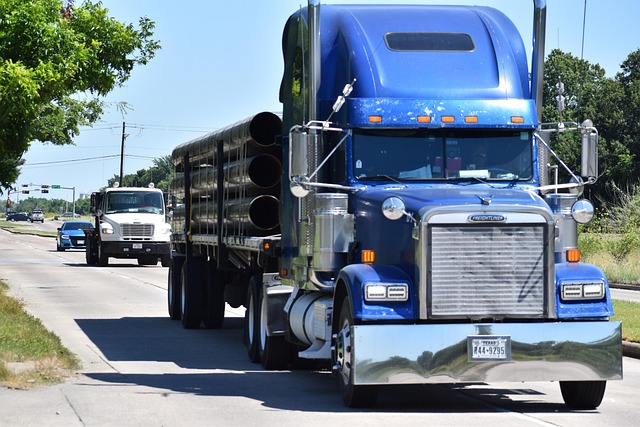
To register a car in California, you’ll need to fulfill several requirements, with proof of insurance and Vehicle Identification Number (VIN) verification being crucial steps. The California Department of Motor Vehicles (DMV) requires valid auto insurance before registering your vehicle. This ensures that all cars on the road are covered against potential risks, enhancing safety for drivers and pedestrians alike. When you visit a DMV office or use their online services, preparing proof of insurance is a straightforward process. Typically, this involves showing a copy of your policy or an official confirmation from your insurance provider.
One essential aspect that often gets overlooked is the correct VIN verification. The DMV uses the Vehicle Identification Number to ensure the car’s history aligns with its current state and owner. This step involves cross-referencing the information on the vehicle’s registration documents with the data stored in the National Motor Vehicle Title Information System (NMVTIS). A mobile VIN verifier or inspection tool can greatly facilitate this process, allowing for real-time verification during your DMV visit. These tools, available on smartphones or tablets, connect to the NMVTIS database and provide instant results, streamlining the registration procedure.
For instance, consider a scenario where you’ve recently purchased a classic car with a unique history. Proper VIN inspection ensures that any prior accidents or outstanding issues are discovered before final registration. This is particularly important in California, which has stringent regulations to protect consumers. By combining proof of insurance and accurate VIN verification, you’re taking significant steps to ensure compliance and maintain the integrity of your vehicle’s registration. This approach not only facilitates a smooth registration process but also ensures your car remains legally registered and insurable.
Pay the Registration Fees and Receive Your License Plate

After completing your California vehicle registration application at the DMV or through their online portal, the next step is to pay the required fees. These fees cover the cost of registering your car, issuing license plates, and, in some cases, a road safety fee. The exact amount will depend on various factors, such as the type of vehicle, its age, and whether you’re transferring an existing registration. Once you’ve reviewed the breakdown of charges, you can proceed to make the payment. California accepts several methods, including cash, credit/debit cards, and check. It’s advisable to bring a valid government-issued ID when paying in person. After processing your application and verifying your vehicle’s VIN (Vehicle Identification Number) through a DMV VIN verification, which ensures the accuracy of the data, you’ll receive your license plates.
For a smoother process, many California residents opt for mobile VIN verifier services or apps that allow them to complete the initial VIN inspection from the comfort of their homes. These digital solutions streamline the preparation phase and can save valuable time at the DMV. While they might not be mandatory, using a mobile vin verification tool can help prevent errors and ensure your vehicle’s information is correct before you begin the registration process. It’s worth noting that some services offer real-time updates on registration status, providing convenience and peace of mind.
When receiving your license plates, ensure all details are accurate and match your vehicle’s specifications. Double-checking the VIN on both the registration documents and plates is a good practice to avoid any discrepancies. If you’re transferring plates from another state, be prepared for an additional inspection to ensure compliance with California’s standards. Properly displaying your assigned license plates is crucial; it allows law enforcement to identify your vehicle easily, promoting road safety and accountability.
Registering a car in California involves several clear, organized steps. By preparing essential documents, visiting your local DMV office, completing an application form, providing proof of insurance, and undergoing DMV VIN verification, you streamline the process. Completing these tasks ensures your vehicle is legally registered and insured. Paying the registration fees and receiving your license plate finalizes the process, enabling you to confidently hit the road. This structured approach, outlined in this authoritative guide, empowers California residents to navigate car registration with ease and confidence.