

Registering a car in California is a vital step for any new vehicle owner, ensuring legal compliance and smooth driving experiences. However, navigating the process can be challenging, especially with complex procedures and extensive documentation. This comprehensive guide aims to demystify the entire journey, from gathering essential papers to utilizing reliable tools like the DMV VIN verifier. By following our expert-crafted steps, you’ll gain confidence in managing this task efficiently and accurately.
- Prepare Necessary Documents for Car Registration
- Visit California DMV: Step-by-Step Guide
- Verify Vehicle Identification Number (VIN) with DMV
- Complete Application Form Accurately
- Pay Registration Fees and Receive Your Plate
Prepare Necessary Documents for Car Registration

Before you begin the registration process, ensuring you have all the necessary documents is paramount. This step is crucial to a smooth transaction with the California Department of Motor Vehicles (DMV). Gather important papers such as the vehicle’s title, proof of insurance, and your valid driver’s license. Additionally, you’ll need a complete set of maintenance records for the car, including any recent inspections or services. A mobile VIN verifier or a traditional VIN inspection can help verify the vehicle’s history, ensuring it’s safe to register. This includes checking for any outstanding recalls or previous damage reports.
For instance, some buyers opt for a mobile VIN verification service, which allows them to check a car’s history using just their smartphone. Others may visit specialized shops for a thorough inspection, gaining peace of mind before committing to the registration. It’s advisable to cross-reference data from various sources to ensure accuracy. Having these documents ready demonstrates your preparedness and makes the registration process more efficient.
Moreover, some vehicles may require additional paperwork, especially if they’re classic cars or have undergone significant modifications. Always consult the DMV’s guidelines for specific requirements. Being proactive in preparing these documents can save you time and potential headaches down the line.
Visit California DMV: Step-by-Step Guide

To register your car in California, the first step is to visit a California DMV office or utilize their online services. This process involves several key elements, ensuring that all vehicle documentation is accurate and up-to-date. The Department of Motor Vehicles (DMV) plays a crucial role in maintaining the integrity of California’s vehicle registration system.
When visiting a DMV, bring all necessary documents, including proof of ownership, vehicle identification number (VIN) inspection reports from a certified mechanic or mobile VIN verifier, and any required fees. A mobile VIN verifier can be particularly useful, as it allows for remote inspection of a vehicle’s history and VIN, enhancing efficiency during the registration process. This technology ensures that all vehicles meet safety standards by cross-referencing data against national databases. For instance, some mobile apps offer real-time VIN checks, providing peace of mind to both consumers and DMV staff.
The DMV employee will verify your documents, including the VIN inspection report, before processing your registration. It’s essential to ensure that the vehicle passes all necessary safety inspections, which can be completed by a certified mechanic or through mobile verification services. This step is vital to prevent registering vehicles with outstanding issues, ensuring road safety for all California drivers.
By following these steps and utilizing available resources like mobile VIN verifiers, you can streamline the car registration process in California, saving time and effort while adhering to stringent vehicle regulations.
Verify Vehicle Identification Number (VIN) with DMV
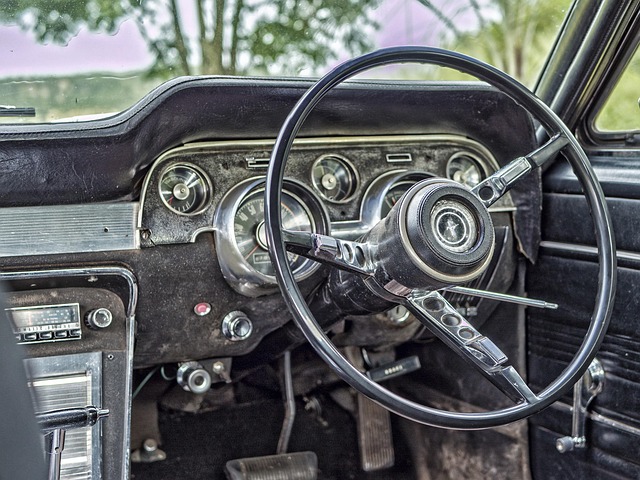
Verifying the Vehicle Identification Number (VIN) is a crucial step in the car registration process in California. It’s essential to ensure the VIN accuracy before proceeding with registration as it plays a critical role in identifying your vehicle and establishing its history. The California Department of Motor Vehicles (DMV) offers several methods for VIN verification, including mobile VIN inspection and verification services. These options provide convenience and flexibility for California residents.
When conducting a VIN inspection, ensure you have access to the vehicle’s registration documents and the physical VIN located on the vehicle’s chassis. This process involves comparing the displayed VIN with the one provided by the DMV records. For instance, many mobile VIN verification apps or services allow you to input your VIN and receive instant information about its history, including ownership changes, accident reports, and maintenance records. These digital tools can be particularly useful when preparing for a DMV visit, as they help identify potential issues that might delay registration.
In some cases, the DMV may request a mobile VIN inspection if there’s doubt about the vehicle’s identity or history. This involves a trained professional using specialized equipment to cross-reference the VIN against their database. For instance, a 2018 study by the California DMV revealed that approximately 5% of vehicles brought in for registration had discrepancies in their VINs, highlighting the importance of thorough verification. As such, it’s advisable for owners to familiarize themselves with the VIN inspection process and consider using mobile vin verification tools to streamline the registration experience.
Complete Application Form Accurately

Completing your vehicle’s registration accurately at the DMV is a crucial step in ensuring legal compliance and ownership verification. The process involves filling out an Application Form, which can be a straightforward task if approached methodically. A key component of this is ensuring the Vehicle Identification Number (VIN) is accurately recorded, as it serves as a unique fingerprint for your car. This is where utilizing a mobile VIN verifier can prove invaluable. By employing these digital tools, you can streamline the process and minimize errors during registration.
When inputting data, double-check each detail, especially the VIN, which identifies your vehicle uniquely. Many DMV forms provide dedicated spaces for this information, allowing no room for error. A common pitfall is transposing numbers or letters; a mobile VIN verifier can help prevent this by scanning and confirming the VIN accuracy before submission. For instance, these verifiers often cross-reference the provided VIN with official databases, ensuring it matches the vehicle’s registered details.
Consider using a mobile VIN inspection app as part of your preparation. These apps are user-friendly, allowing you to quickly verify not only the VIN but also other critical specifications like the year, make, and model. This proactive approach can save time at the DMV and reduce potential delays caused by inaccurate documentation. Remember, an accurate Application Form is just one step in the registration process; it paves the way for a smooth transaction with the DMV, ensuring your car’s legal status remains up-to-date.
Pay Registration Fees and Receive Your Plate

To complete the registration process, you’ll need to pay the required fees and receive your vehicle’s license plate. In California, this involves a meticulous verification process, ensuring every car on the road is legitimate and safe. The first step is to ensure your Vehicle Identification Number (VIN) passes a thorough inspection. Utilize a trusted DMV VIN verifier or mobile vin verification service to check for any discrepancies or theft reports associated with the VIN. This critical step guarantees that you’re dealing with an authentic vehicle.
After passing the VIN inspection, head to your local California Department of Motor Vehicles (DMV) office to initiate the registration. Bring all necessary documents, including proof of ownership and insurance. An attendant will guide you through the process, which includes filling out registration forms and paying the applicable fees. The fee structure varies based on vehicle type and age, with additional charges for late registration or renewal. It’s advisable to verify these fees online or in person before your visit to avoid any surprises.
Once your application is approved, you’ll be issued a license plate that corresponds to your vehicle’s unique VIN. In some cases, especially when registering a newly purchased vehicle, you may have the option for mobile vin inspection, where a DMV inspector comes to your location to verify the VIN and complete the registration process on-site. This service streamlines the experience, saving you time and effort. Ensure that your plates are displayed correctly on your vehicle as per California regulations, enhancing road safety and legality.
Registering a car in California involves careful preparation and accurate documentation, as outlined in this comprehensive guide. Key takeaways include ensuring all necessary documents are ready, accurately completing application forms, and verifying the Vehicle Identification Number (VIN) with the DMV using a reliable dmv vin verifier. By following these steps, you can streamline the registration process, avoid delays, and ensure your vehicle is legally registered. Next steps recommend regularly reviewing California DMV guidelines for any updates and staying informed about required documentation changes.