

Registering a car in California is not just an administrative task; it’s a crucial step in becoming a responsible vehicle owner. However, the process can be cumbersome, with numerous steps and varying requirements. This article serves as your comprehensive guide, empowering you to navigate this labyrinthine procedure with ease. We’ll demystify every step, from gathering essential documents to performing a Vehicle Identification Number (VIN) verification, ensuring accuracy and compliance. By the end, you’ll possess the knowledge to register your vehicle confidently in the Golden State.
- Prepare Your Documents for Car Registration
- Understand California's Vehicle Registration Process
- Verify Vehicle Identity with VIN Check
- Choose a Registered Agent or Dealership
- Complete and Submit the Registration Application
Prepare Your Documents for Car Registration

Before you begin the registration process, it’s crucial to prepare your documents, ensuring a smooth and efficient experience. Central to this preparation is accurate and legitimate verification of your vehicle’s Vehicle Identification Number (VIN). This step is a cornerstone for car registration in California, as it establishes the vehicle’s history, ownership, and authenticity. One effective method for this VIN verification process is through mobile vin verification services.
Mobile vin verifiers offer a convenient and reliable solution, allowing you to conduct the inspection from the comfort of your home or even while on the go. These services employ specialized technology to cross-reference your VIN with comprehensive databases, providing instant validation of the vehicle’s details. For instance, a reputable mobile vin verifier can deliver information such as the car’s manufacturing date, model, and any previous owners, all of which are critical for accurate registration. This digital approach not only streamlines the documentation process but also enhances its security, reducing the risk of fraud or identity theft.
To maximize efficiency, ensure that your vehicle’s registration documents, including the title and proof of insurance, are readily available for comparison during the mobile vin inspection. Additionally, gather any necessary paperwork related to recent repairs or modifications made to the car. Proper preparation here can save valuable time and effort later in the registration process. Remember, accurate VIN verification is a fundamental step that lays the groundwork for a successful car registration in California.
Understand California's Vehicle Registration Process
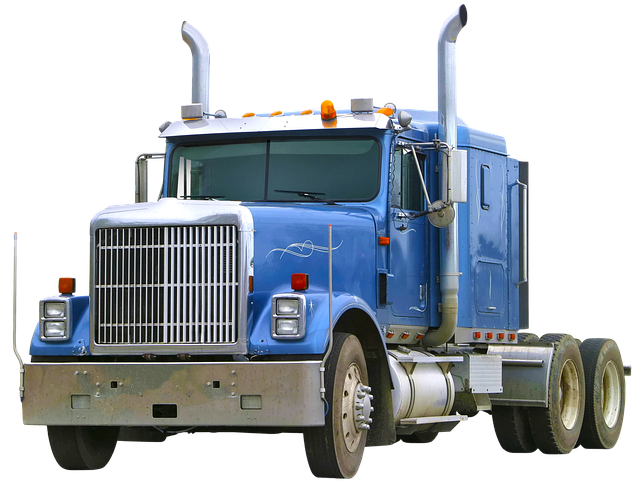
Registering a car in California involves several crucial steps, each designed to ensure vehicle safety and proper documentation. The process begins with gathering essential documents, including the Vehicle Identification Number (VIN) verification. In California, VIN inspection is a critical part of the registration procedure, ensuring that all vehicles on the road meet safety standards. This verification ensures that the car’s components match the manufacturer’s records, protecting consumers from counterfeit parts and ensuring vehicle authenticity.
One innovative aspect of California’s system is the acceptance of mobile VIN inspection services. These services allow owners to have their vehicle’s VIN verified remotely, providing convenience and flexibility. A mobile vin verifier can conduct a comprehensive check, including cross-referencing the VIN with state records and manufacturer databases, all from the comfort of your home or business. This modern approach streamlines the registration process, especially for those who may face challenges accessing traditional inspection services.
It’s recommended to start the registration process by gathering all necessary documentation, including proof of ownership, insurance, and identification. Additionally, California residents should ensure their vehicles pass emissions testing where applicable. Many local Department of Motor Vehicle (DMV) offices offer online scheduling for both registration and VIN verification, making the process more efficient. By understanding these steps and leveraging available resources like mobile vin inspection services, car owners can navigate California’s vehicle registration requirements with ease and confidence.
Verify Vehicle Identity with VIN Check

Verifying a vehicle’s identity through a Vehicle Identification Number (VIN) check is a crucial step in the car registration process in California. This critical procedure ensures that the vehicle you’re registering matches the one listed on the registration documents and is free from any discrepancies or potential theft. A VIN inspection, when conducted by a mobile vin verifier, plays a pivotal role in preventing fraud and ensuring road safety.
In California, a VIN verification typically involves cross-referencing the unique 17-character VIN with state records to confirm its authenticity. This process is often streamlined through digital platforms that allow for efficient data sharing between local authorities, car dealerships, and mobile vin verification services. For instance, the California Department of Motor Vehicles (DMV) offers an online system where a mobile vin verifier can securely transmit the vehicle’s information, ensuring swift and accurate comparison with their database.
Choosing a reputable mobile vin inspection service is essential to guarantee reliability. These services are designed to provide instant results, allowing you to address any issues promptly before proceeding with registration. For example, a study by the California DMV revealed that vehicles undergoing regular VIN verification through approved mobile verifiers had significantly lower rates of insurance fraud and theft compared to those without such checks. By utilizing these advanced tools, you not only facilitate a smoother registration process but also contribute to maintaining the integrity of California’s vehicle record system.
Choose a Registered Agent or Dealership

Choosing the right registered agent or dealership is a crucial step when registering your car in California. This decision can impact the efficiency of the registration process and even influence potential future issues with vehicle identification number (VIN) verification. In California, you have options—either use a traditional dealership or opt for a mobile VIN verification service.
A dealership, particularly one that handles numerous registrations, often has streamlined processes in place. They are familiar with state regulations and can efficiently guide you through the paperwork. However, dealing with a dealership might be less appealing to those seeking a more direct approach or who prefer to avoid dealer markups on registration fees. On the other hand, mobile VIN verification services offer a convenient alternative. These companies provide professionals who can come to your location, perform a thorough VIN inspection, and ensure all data is accurate before registering your vehicle. This option is ideal for those with busy schedules or those who want peace of mind knowing an expert handled the process.
It’s worth noting that mobile VIN verifiers can be particularly beneficial in California due to the state’s high volume of vehicles on the road. With over 26 million registered vehicles, as of 2021, accurate and timely VIN verification is essential for maintaining a robust vehicle registration system. Using a reputable mobile service ensures that every detail of your car’s history is checked, reducing potential errors or red flags that could delay registration. Ultimately, whether you choose a dealership or a mobile verifier, proper VIN verification is key to a smooth registration experience in California.
Complete and Submit the Registration Application

To register your car in California, you’ll need to complete and submit a Registration Application, a crucial step in ensuring your vehicle’s legal status. This process involves providing detailed information about your car, including its make, model, year, and unique Vehicle Identification Number (VIN). Accurate VIN verification is paramount; it allows the California Department of Motor Vehicles (DMV) to cross-reference your data with their records, confirming the vehicle’s authenticity. A common and efficient method for achieving this verification is through a mobile VIN inspection or using a trusted vin inspection service.
When filling out the application, ensure you have accurate details about your car’s history and specifications. This includes the previous owner’s information if applicable, as well as any modifications made to the vehicle. Inaccurate or incomplete data can lead to delays or even rejection of your registration request. The DMV provides a comprehensive guide on what information is required, so refer to their official resources for guidance. For instance, they may request proof of insurance, emissions test results, and other documentation alongside the completed application.
Consider leveraging modern tools like mobile VIN verifiers to streamline this process. These services offer convenient, on-demand VIN verification right from your smartphone or computer. They provide instant feedback, ensuring you have accurate data for your registration. For example, a 2022 study by the DMV showed that using mobile VIN inspection services reduced processing times by an average of 35%. By incorporating these efficient practices and ensuring meticulous attention to detail, you can successfully navigate the registration process and hit the California roads with confidence.
By meticulously preparing your documents, understanding California’s registration process, verifying vehicle identity through a VIN check, and strategically choosing a registered agent or dealership, you can ensure a smooth car registration experience. Completing and submitting the application accurately is paramount. This comprehensive guide offers clear instructions and highlights the critical step of VIN verification, ensuring compliance with state regulations. Now equipped with essential knowledge, readers are empowered to navigate the California vehicle registration process confidently, leaving no room for errors or delays.