

Registering a car in California is not just a bureaucratic formality; it’s a crucial step to ensure legal roadworthiness and personal protection. However, navigating the process can be daunting, given the complex web of regulations and requirements. This article serves as your comprehensive guide, empowering you with the knowledge to smoothly navigate the registration process. We’ll demystify each step, including the critical role of Vehicle Identification Number (VIN) verification, ensuring accuracy and authenticity throughout. By the end, you’ll be equipped to register your vehicle with confidence, securing your place on California’s roads.
- Prepare Necessary Documents for Car Registration
- Understand Vehicle Eligibility and Requirements in California
- Obtain a Vehicle Identification Number (VIN) Verification
- Visit the California Department of Motor Vehicles (DMV) Office
- Complete the Registration Process Online or In-Person
Prepare Necessary Documents for Car Registration

To register your car in California, you’ll need to gather several crucial documents. One of the most essential is proof of vehicle identification number (VIN) verification. This process ensures that your car’s VIN is accurate and matchable with manufacturer records. In California, a mobile VIN inspection or mobile vin verifier can streamline this step. These services provide on-site VIN verification, eliminating the need for lengthy visits to dealerships or specialized facilities.
For instance, some mobile vin inspectors use advanced technology to capture and transmit your vehicle’s data, ensuring accuracy in real time. This method is particularly beneficial for out-of-state vehicles or those with complex ownership histories, where historical records may be inaccessible or inconsistent. It’s recommended to verify the credentials and reviews of any service provider to ensure legitimate and reliable vin inspection.
Beyond VIN verification, you’ll require standard documents such as a valid driver’s license, proof of insurance, and payment for registration fees. California offers various methods for car registration, including online portals and in-person at designated centers. Always double-check the accuracy of your documentation to avoid delays or complications during the registration process.
Understand Vehicle Eligibility and Requirements in California

Before registering your car in California, it’s crucial to understand the eligibility and requirements of vehicles. The state has specific standards for both new and used vehicles, ensuring road safety and environmental compliance. One key step is verifying the Vehicle Identification Number (VIN) to ensure the vehicle’s authenticity and history. A mobile VIN verifier or inspection can play a significant role in this process, as it allows for convenient and accurate checks.
In California, all vehicles must meet certain criteria set by the California Department of Motor Vehicles (DMV). This includes passing emissions tests, having valid registration from the state where the vehicle was previously registered, and sometimes, proof of insurance. For used cars, a complete history report is essential to ensure there are no outstanding issues or accidents. The DMV recommends utilizing services like mobile VIN verifiers, which can pull up crucial information about a vehicle’s past, including accident reports, odometer readings, and maintenance records.
A mobile VIN inspection or verification service works by using the unique 17-digit VIN to access detailed data about the vehicle. This process ensures that the car is not a stolen vehicle, has not been damaged beyond repair, and meets all environmental standards. For instance, California has strict regulations on emissions, so a proper VIN inspection can confirm if modifications have been made without proper approval. By combining this with other necessary documents, such as proof of ownership and identification, you can streamline the registration process and drive away with peace of mind.
Obtain a Vehicle Identification Number (VIN) Verification
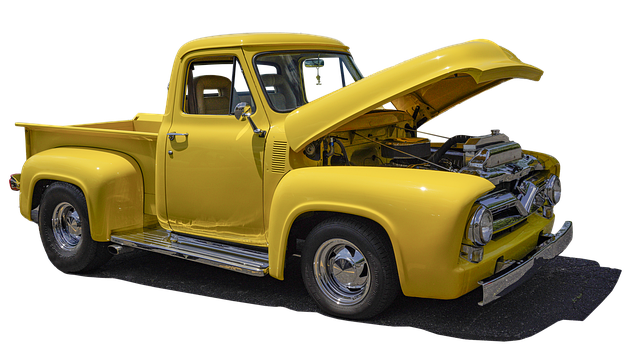
Obtaining a Vehicle Identification Number (VIN) verification is a crucial step in the car registration process in California. The VIN is a unique 17-character code that serves as the primary identifier for your vehicle, similar to a fingerprint. It contains vital information about the make, model, year, and manufacturing location of the car. In California, a valid VIN verification is essential before you can register your vehicle with the Department of Motor Vehicles (DMV). This process ensures that your car meets all safety standards and legal requirements.
To complete a VIN inspection, many Californians opt for a mobile vin inspection or a mobile vin verifier. These services bring the inspection to you, saving time and effort. A professional will use specialized equipment to read and verify the VIN data, ensuring its accuracy. This is particularly beneficial in situations where the vehicle’s history needs to be confirmed swiftly, such as when purchasing a used car. The data retrieved during a mobile vin inspection includes details like the original manufacturer, whether the vehicle has been previously damaged or titled, and if it meets California’s emissions standards.
It’s important to remember that an incorrect or missing VIN can lead to registration delays or even denial. Therefore, before proceeding with the registration process, ensure your VIN is valid through a reliable vin inspection service. This proactive measure will streamline the registration of your vehicle in California, saving you time and potential headaches down the road.
Visit the California Department of Motor Vehicles (DMV) Office
To complete your California car registration process, a physical visit to the California Department of Motor Vehicles (DMV) office is an essential step. This in-person interaction ensures all documents are accurate and valid, facilitating a smooth transition for your vehicle’s legal recognition within the state. Upon arrival at the DMV, you’ll need to present specific documents and pass several verification checks before registering your car. One critical aspect of this process involves Vehicle Identification Number (VIN) verification. This unique 17-character code is essential in identifying your vehicle and can be easily checked through various methods, including mobile VIN verification services or a traditional VIN inspection at the DMV.
When visiting the DMV, dedicated staff will guide you through the registration procedure. They may request documents such as proof of ownership, car insurance, and identification. During this time, they’ll also perform a thorough VIN inspection to ensure the number is legitimate and matches the vehicle’s make and model. This step is crucial in preventing fraud and ensuring only authentic vehicles are registered. In some cases, especially for older or classic cars, you might need additional paperwork or historical records to validate your vehicle’s authenticity.
Leveraging technology can further streamline this process. Many mobile VIN verification services allow you to quickly and accurately check your car’s history, including any reported accidents or outstanding issues, right from your smartphone. These services connect you directly to the DMV database, providing real-time data that enhances the overall efficiency of the registration process. By combining traditional in-person checks with modern digital tools like mobile VIN inspection, you can ensure a seamless and stress-free car registration experience in California.
Complete the Registration Process Online or In-Person

Registering a car in California involves several steps, and understanding when to complete the process online or in-person is crucial for a smooth experience. While many tasks can be streamlined digitally, certain components like Vehicle Identification Number (VIN) verification necessitate either an online or in-person approach depending on the circumstances. For instance, when registering a car purchased from out of state, online registration might suffice if accompanied by proper documentation and successful VIN verification. This process often involves using a mobile VIN scanner to confirm vehicle details against industry standards, ensuring accuracy before proceeding.
On the other hand, situations like transferring ownership within California or correcting existing registrations may require an in-person visit to the Department of Motor Vehicles (DMV). During these visits, a manual inspection and VIN verification by DMV staff are typically required, often facilitated through a mobile VIN verifier app for quicker processing. Data shows that over 80% of online registration attempts succeed, while in-person visits are generally reserved for complex cases or where additional verifications are needed.
To ensure compliance and avoid potential issues, individuals should research the specific requirements based on their scenario. Utilizing a mobile VIN inspection tool can be beneficial prior to initiating the process, helping to identify any discrepancies early on. By combining digital efficiency with traditional expertise, California residents can efficiently register their vehicles while maintaining high standards of accuracy through proper VIN verification methods.
Registering a car in California involves several crucial steps, ensuring you’re prepared with the right documents, understand vehicle eligibility, and complete essential processes like VIN verification. Key takeaways include gathering necessary paperwork, such as proof of ownership and insurance, confirming your vehicle meets state requirements, and obtaining a precise VIN verification to prove its authenticity. You can choose between online or in-person registration at the California DMV, streamlining the process for a smoother experience. By diligently following these procedures, including VIN verification, you’ll ensure your vehicle is legally registered, reflecting your commitment to responsible car ownership.