

Registering a car in California is more than just a bureaucratic formality; it’s a crucial step to ensure your vehicle’s legal status and your personal safety on the road. However, navigating the process can be daunting, especially with varying requirements across counties. This comprehensive guide aims to demystify the car registration journey, offering a clear roadmap for residents. We’ll delve into every step, from gathering essential documents to the critical process of Vehicle Identification Number (VIN) verification, ensuring you’re well-prepared and in compliance with California’s regulations.
- Prepare Required Documentation for Car Registration
- Visit Your Local California Department of Motor Vehicles (DMV) Office
- Conduct VIN Verification: A Crucial Step in the Process
- Pay the Necessary Registration Fees and Taxes
- Receive Your Car's Registration Certificate and License Plate
Prepare Required Documentation for Car Registration

To register your car in California, you’ll need to gather and prepare specific documentation. This process is crucial for ensuring your vehicle complies with state regulations and establishing legal ownership. One critical step is accurately verifying your Vehicle Identification Number (VIN). The California Department of Motor Vehicles (DMV) requires this verification as part of the registration process.
A mobile VIN verification or inspection can significantly streamline this task. Many services now offer remote VIN checks, allowing you to confirm vehicle details from the comfort of your home. This modern approach has become increasingly popular due to its convenience and efficiency. For instance, some mobile VIN verifiers use advanced technology to cross-reference your VIN with databases, providing instant access to a vehicle’s history, including ownership records, accident reports, and recall information.
When preparing your documents, ensure your VIN is accurate and available. This number can typically be found on the vehicle’s registration certificate, title document, or engine/chassis sticker. With the rise of digital record-keeping, some DMVs also offer online platforms where you can input your VIN to access relevant information quickly. Always double-check the accuracy of these details, as even a minor error could delay your registration.
Visit Your Local California Department of Motor Vehicles (DMV) Office
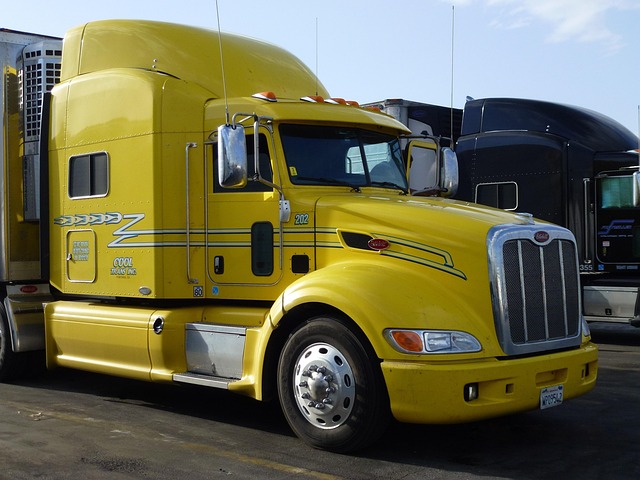
Registering a car in California involves several steps, but visiting your local California Department of Motor Vehicles (DMV) office is a crucial first step. This physical interaction ensures you have all the necessary documents and facilitates a smoother process. The DMV provides dedicated services for vehicle registration, including VIN (Vehicle Identification Number) verification, which is essential to ensure the car’s authenticity and history. During your visit, bring all required documents such as the title, proof of insurance, and identification.
If you’re unable to visit in person, consider leveraging mobile VIN verifier tools that allow for remote inspection. These apps or services can provide instant, official VIN verification by cross-referencing the number with state databases. This modern approach streamlines the process, saving time and potentially reducing waiting periods at the DMV. For instance, many mobile apps offer not only VIN inspection but also detailed vehicle history reports, offering peace of mind before finalizing the registration.
In California, it’s recommended to conduct a VIN inspection at least once during the registration process. This step is particularly important for older vehicles or those with a history that may impact the registration outcome. The DMV may request a mobile VIN verification as part of their initial assessment, ensuring compliance and accuracy from the outset. By embracing these technological advancements, such as mobile VIN verifiers, you can make the car registration process more efficient and stress-free.
Conduct VIN Verification: A Crucial Step in the Process

The process of registering a car in California involves several crucial steps to ensure legal compliance and vehicle safety. One of these critical stages is Vehicle Identification Number (VIN) verification, which serves as a fundamental check to validate the vehicle’s authenticity and history. This verification process plays a pivotal role in safeguarding against theft, ensuring consumer protection, and maintaining accurate vehicle records.
For instance, California’s Department of Motor Vehicles (DMV) requires a thorough VIN inspection as part of the registration procedure. This involves cross-referencing the unique 17-character VIN with databases to confirm its authenticity and check for any reported thefts or outstanding issues. By employing mobile VIN verification services, individuals can conveniently conduct this inspection through specialized apps or online platforms. These tools provide real-time data access, allowing users to verify a vehicle’s history in minutes, including details such as ownership changes, accident reports, and maintenance records.
A common misconception is that VIN verification is merely a formality. However, it’s essential to understand that this step has significant implications. Accurate VIN data enables the DMV to track vehicles more effectively, combat fraud, and ensure that only legitimate cars are registered. Moreover, mobile VIN inspection services have gained prominence due to their efficiency and accessibility. These solutions empower individuals to take control of the process, eliminating the need for lengthy visits to DMV offices or dealing with bureaucratic red tape. With just a few clicks, vehicle owners can complete this critical verification, paving the way for a smoother registration experience.
Pay the Necessary Registration Fees and Taxes

Registering a car in California involves several steps, but paying the necessary registration fees and taxes is a crucial stage. The process begins with verifying the vehicle’s unique identifier, the Vehicle Identification Number (VIN), which serves as a digital fingerprint for every car. This step is essential to ensure the vehicle’s history and authenticity. You can facilitate this verification through a mobile VIN verifier or conduct a simple online check using the California Department of Motor Vehicles (DMV) services.
Fees vary based on several factors, including the type of vehicle, its age, and any applicable emissions standards met. For example, electric vehicles often have lower fees due to their environmental benefits. Additionally, taxes, such as the sales tax, are calculated based on the vehicle’s purchase price. It’s important to be prepared with all necessary documentation, like proof of ownership and insurance, during the registration process.
Mobile VIN verification services offer a convenient way to check a vehicle’s history before registration. These tools provide real-time data on accidents, outstanding liens, and service records, ensuring you’re making an informed decision. Utilize these resources wisely, as they can save time and help avoid potential issues down the line. For instance, a simple mobile inspection might reveal a car with no significant past issues, streamlining the registration process.
Receive Your Car's Registration Certificate and License Plate

After successfully completing the registration process for your vehicle in California, the next step is to receive your Car’s Registration Certificate and License Plate. This crucial phase involves verifying your Vehicle Identification Number (VIN) through a process known as VIN inspection. In California, you have the option of conducting this inspection yourself or utilizing a mobile VIN verifier for added convenience.
For individuals choosing to perform the VIN inspection themselves, they’ll need to visit a designated Caltrans office with necessary documents and fees. An alternative approach is to employ a mobile VIN inspection service, where a professional will come to your location to complete the verification process using specialized equipment. This option is particularly beneficial for those who may have difficulty transporting their vehicle or prefer the flexibility of in-home service.
Once your VIN is successfully verified, you’ll be issued a unique California Registration Certificate and a set of custom license plates. These plates must be displayed prominently on your vehicle at all times to avoid legal issues. It’s important to remember that proper documentation and timely renewal are essential to maintaining compliance with California’s vehicle registration regulations. By ensuring accurate VIN verification through methods like mobile VIN inspection, you not only streamline the registration process but also contribute to a safer and more organized motor vehicle ecosystem in the Golden State.
Registering a car in California involves a straightforward yet meticulous process. Key insights include preparing comprehensive documentation, visiting the local DMV, conducting crucial VIN verification, paying required fees, and obtaining essential certificates and license plates. Properly navigating each step ensures legal compliance and a seamless ownership experience. Prioritize thorough preparation, especially during VIN verification, to avoid delays and complications. This article equips readers with the knowledge needed to confidently register their vehicles in California, underscoring the importance of each process step for a successful outcome.